



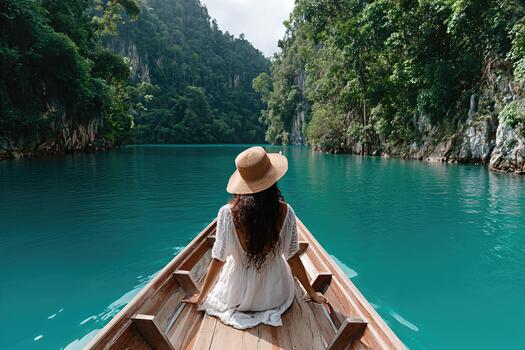
A striking photograph can stop someone mid-scroll, but the story behind it can give them a reason to stay. For travel photographers and visual storytellers, contributing to another publication is one way to reach readers who already care about places, culture and the craft of making images. Understanding what are guest posting sites is a useful first step: they are websites that publish articles from outside contributors, often alongside work from their regular editorial team.
Why guest posts can help photographers
A well-matched guest article introduces your work in a useful context. You might explain how you plan a dawn shoot, describe the etiquette of photographing a community, or share a practical guide to packing camera equipment for a long trip. The images can support the article, but the writing should offer value even to readers who do not click through to your portfolio.
Guest contributions can also build professional relationships. An editor may invite you to cover another destination, while readers may discover a new approach to travel photography. These outcomes depend on relevance and editorial quality, not simply on how many sites publish a link. A collection of unrelated placements is unlikely to serve your reputation as well as a few thoughtful contributions to publications with the right readership.
How to choose a publication
Start with the audience. A travel magazine, destination guide or photography blog may be a natural fit, but the category alone is not enough. Read recent articles and ask whether the publication speaks to the people you hope to reach: aspiring photographers, independent travellers, families planning trips, or readers interested in a particular region.
- Check content quality. Look for clear editing, original reporting and articles that offer more than generic advice. Notice whether images are credited and whether the site has a consistent point of view.
- Look for genuine readership. Traffic estimates can help with comparisons, but treat them as one signal rather than proof of influence. Consider whether posts receive meaningful engagement and whether the audience matches your goals.
- Review the article environment. Check how often the site publishes, whether its pages are easy to use on mobile, and whether sponsored or contributed content is clearly distinguished from editorial work.
- Compare cost with value. Some publications accept unpaid pitches; others charge for a placement or offer paid contributor options. Understand what the fee covers, what editorial review is included and whether the price makes sense for the likely audience.
For a broader overview of how to assess options, including audience fit, traffic, quality and pricing, see this guide to guest posting sites and websites. Use any directory or marketplace as a starting point for research, then inspect the publication itself before committing.
Pitch an idea, not just a link
Editors are more likely to consider a specific, reader-centred proposal than a message asking for a place to publish. Before pitching, study the site’s recent coverage and identify a useful gap. A photographer who has travelled through a region could propose a guide to working with changing light there, or a first-person account of making portraits respectfully with local permission.
Keep the pitch concise. Include a working headline, a few sentences describing the article, why you are the right person to write it, and links to relevant examples of your work if requested. Do not send the same generic proposal to every editor. Follow the publication’s submission rules, and be clear about whether the images are yours, whether you can provide captions and location details, and what permissions you have secured.
Think carefully about images and rights
Photography adds value to a guest article, but it also requires practical planning. Ask about image dimensions, file delivery, credit lines and whether the editor needs exclusive or non-exclusive use. Read any agreement before supplying files, especially if it grants broad reuse rights. Keep original files and written permissions organised, and avoid sharing identifying details about people or sensitive locations without appropriate consent.
These details matter in travel writing as much as composition does. A photograph of a sacred site, a private home or a person going about daily life may require extra care. A responsible article explains its context instead of treating a place or its residents as scenery.
When you need help with research or placement
Planning a contribution can take time: you may need to compare publications, refine a pitch, edit copy or arrange specialist outreach. If you work across visual niches, a fashion photographer might also look for publications that cover styling, clothing and image-making. A fashion guest posting service guide can help with comparing potential sites, metrics and costs. Osdire is a freelance marketplace where clients can hire across areas including writing, photography and marketing, which may be useful when a project calls for skills beyond your own.
Whether you approach an editor directly or hire help, agree on the scope before work begins: the number of sites researched, the material to be delivered, expected timelines and how approval works. Do not judge a placement only by a promised metric. Review the finished article, confirm that the publication and audience are appropriate, and keep a record of where your work appears.
Make each contribution count
The strongest guest posts are useful stories first and promotional opportunities second. Choose publications that suit your subject, pitch an idea with a clear benefit to readers, and treat images, permissions and editorial standards with care. That approach gives your photography a meaningful setting and helps build a body of published work that reflects the way you want to be known.
