



Few cosmetic concerns make people look as tired as under-eye hollows. Even after a full night’s sleep, deep tear troughs and dark circles can create the appearance of fatigue, stress, or aging. While concealers and skincare products can temporarily improve the look of the under-eye area, they often struggle to address the underlying causes of volume loss and shadowing.
Fortunately, advances in medical aesthetics have made it possible to treat tear trough hollows more effectively than ever before. From dermal fillers and regenerative therapies to skin rejuvenation procedures, modern treatments can restore a brighter, more refreshed appearance while maintaining natural-looking results.
Understanding why Vedas Medical Spa & Wellness Center under-eye hollows develop is the first step toward choosing the right treatment.
What Are Tear Troughs?
The tear trough is the groove that runs from the inner corner of the eye downward and outward toward the cheek. Everyone has this anatomical feature, but it becomes more noticeable in some individuals due to genetics, aging, or changes in facial structure.
When the tear trough deepens, it can create shadows beneath the eyes, making dark circles appear worse even when there is no actual skin discoloration.
Common concerns associated with tear troughs include:
- Under-eye hollowness
- Dark shadows
- A tired appearance
- Loss of youthful facial contours
- More visible eye bags
Because the eyes are one of the first areas people notice during conversation, under-eye concerns often have a significant impact on self-confidence.
Why Do Under-Eye Hollows Develop?
Several factors contribute to tear trough formation.
Natural Aging
As we age, facial fat gradually diminishes and shifts position. Volume loss in the cheeks and under-eye region can make hollows appear deeper.
Bone Structure Changes
The facial skeleton naturally remodels over time, reducing support for the surrounding soft tissues.
Genetics
Some people inherit naturally deep tear troughs and may notice dark shadows beneath the eyes even in their twenties.
Skin Thinning
The skin under the eyes is among the thinnest on the body. As collagen production declines, the area can become more transparent and susceptible to visible shadowing.
Lifestyle Factors
Poor sleep, dehydration, stress, and sun damage can worsen the appearance of under-eye concerns, although they are rarely the sole cause.
Understanding the Difference Between Dark Circles and Hollows
Not all dark circles are caused by pigmentation.
Dark circles may result from:
- Volume loss and shadowing
- Pigment accumulation
- Visible blood vessels
- Thin skin
- Combination factors
Proper diagnosis is essential because the most effective treatment depends on the underlying cause.
Tear Trough Fillers
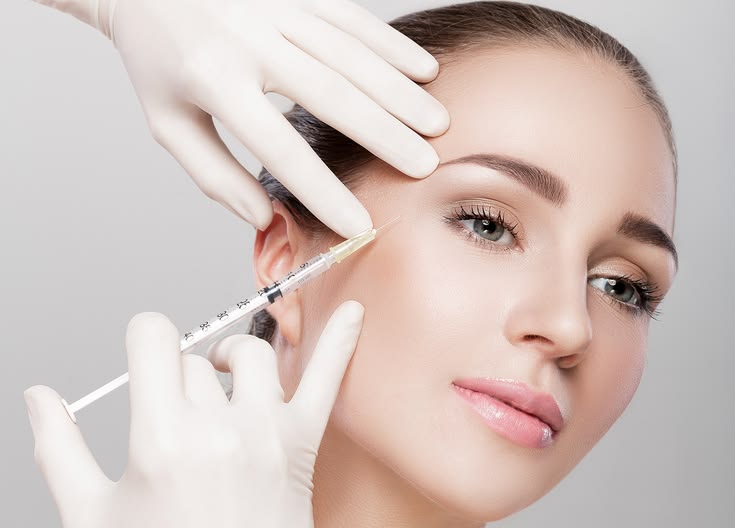
One of the most popular treatments for under-eye hollows is hyaluronic acid filler.
How Fillers Work
Hyaluronic acid fillers restore lost volume beneath the tear trough, reducing the shadow that creates a hollow appearance.
Benefits may include:
- Immediate improvement
- Smoother under-eye contours
- Reduced shadowing
- More refreshed appearance
When performed by an experienced injector, filler treatments can create subtle and natural-looking rejuvenation.
Ideal Candidates
Patients who benefit most from tear trough fillers often have:
- Mild to moderate hollowness
- Good skin quality
- Minimal under-eye puffiness
- Realistic expectations
Because the under-eye area is delicate, practitioner expertise is especially important.
Cheek Filler as an Alternative Solution
In some cases, the primary issue is not the tear trough itself but volume loss in the midface.
Restoring cheek volume can:
- Improve facial support
- Reduce under-eye shadowing
- Create smoother transitions between the cheeks and eyes
Many practitioners address the cheeks before treating the tear trough directly.
This approach often produces a more balanced and natural result.
PRP and PRF Treatments
Regenerative treatments have become increasingly popular for under-eye rejuvenation.
Platelet-Rich Plasma (PRP)
PRP uses concentrated growth factors derived from the patient’s own blood.
Potential benefits include:
- Improved skin quality
- Enhanced collagen production
- Better skin texture
- Reduced appearance of fine lines
Platelet-Rich Fibrin (PRF)
PRF is a newer regenerative treatment that contains platelets and fibrin in a form designed for gradual release of growth factors.
Many practitioners use PRF to:
- Improve under-eye skin quality
- Enhance tissue regeneration
- Support natural rejuvenation
These treatments are particularly attractive for patients seeking a more natural approach.
Polynucleotides for Under-Eye Rejuvenation
Polynucleotides are gaining popularity as a regenerative option for delicate areas such as the under-eyes.
Benefits may include:
- Improved hydration
- Enhanced skin elasticity
- Tissue repair support
- Better skin quality
Unlike fillers, polynucleotides do not primarily add volume. Instead, they improve the health and resilience of the skin over time.
Laser Treatments
Laser therapies can be effective when pigmentation, texture concerns, or thin skin contribute to dark circles.
Certain laser procedures may help:
- Improve collagen production
- Reduce pigmentation
- Enhance skin texture
- Brighten the under-eye area
Because the eye area is highly sensitive, treatment selection should be individualized.
Microneedling and RF Microneedling
Microneedling stimulates collagen production through controlled micro-injuries.
Benefits may include:
- Improved skin thickness
- Better texture
- Reduced fine lines
- Enhanced firmness
Radiofrequency microneedling adds heat energy to stimulate deeper collagen remodeling.
These treatments are often used when skin quality is a primary concern rather than significant volume loss.
Medical-Grade Skincare
Although skincare alone cannot eliminate deep tear troughs, it can improve the appearance of the under-eye area.
Useful ingredients include:
- Retinoids
- Vitamin C
- Peptides
- Hyaluronic acid
- Growth factors
Consistent use may improve skin texture, hydration, and brightness.
Lifestyle Habits That Support Better Results
Professional treatments work best when combined with healthy habits.
Helpful strategies include:
- Getting adequate sleep
- Staying hydrated
- Wearing sunscreen daily
- Managing allergies
- Avoiding smoking
- Maintaining a balanced diet
These measures can help reduce factors that contribute to a tired appearance.
Choosing the Right Treatment
The best treatment depends on the cause of the problem.
Volume Loss
Often responds well to:
- Tear trough fillers
- Cheek fillers
Thin Skin and Fine Lines
May benefit from:
- PRP
- PRF
- Microneedling
- Polynucleotides
Pigmentation Concerns
May require:
- Laser treatments
- Brightening skincare
- Chemical peels
Many patients achieve the best outcomes through a combination approach.
Conclusion
Under-eye hollows and dark circles are among the most common concerns in aesthetic medicine, but they are also highly treatable with today’s advanced technologies. Whether the issue stems from volume loss, skin thinning, pigmentation, or a combination of factors, treatments such as tear trough fillers, regenerative therapies, lasers, and collagen-stimulating procedures can significantly improve the appearance of tired eyes.
The key is identifying the true cause of the concern and developing a personalized treatment plan. With the right approach, patients can achieve brighter, smoother, and more youthful-looking eyes that appear naturally refreshed rather than artificially altered.
