



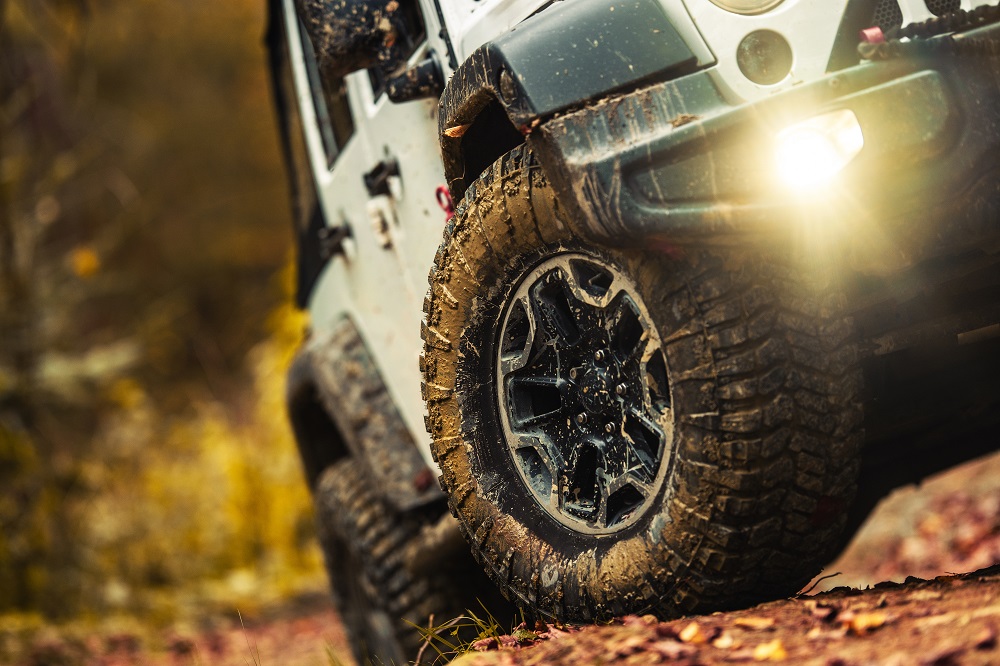
Off-road driving demands reliable lighting that can handle unpredictable terrain and low-visibility environments. Choosing the right LED lights can significantly improve safety while also enhancing the overall driving experience. From narrow trails to open desert roads, different lighting types serve different purposes. Understanding these options helps drivers make better decisions for their vehicles.
In this post, we’ll explore the most common types of off-road LED lights and how they perform in real-world conditions. Each type has its own strengths depending on how and where you drive. Let’s break them down in detail.
LED Light Bars for Wide-Angle Illumination
LED light bars are one of the most popular choices for off-road enthusiasts. They are designed to provide broad, even lighting across a wide area in front of the vehicle. This makes them especially useful when driving at higher speeds on open trails or desert terrain.
Most light bars combine flood and spot beams to balance distance and peripheral visibility. They are typically mounted on rooftops, bumpers, or grilles for maximum coverage. Their slim design also helps reduce wind resistance and keeps the vehicle looking clean.
Moreover, LED light bars are ideal for drivers who need consistent forward lighting in dark environments, especially during long off-road night drives or challenging weather conditions.
LED Pods for Focused Spot Lighting
LED pods are compact lights that deliver concentrated beams for targeted illumination. They are commonly mounted on bumpers, A-pillars, or side mirrors depending on the driver’s needs. These lights are especially useful when navigating tight trails or rocky paths where precision matters. Plus, their small size allows for flexible placement on nearly any vehicle.
Off-road drivers use multiple pods to cover different angles around the vehicle. They are also highly durable, which makes them suitable for harsh conditions like mud, dust, or water exposure.
Fog Lights for Low-Visibility Conditions
Fog lights are designed to improve visibility in challenging weather such as fog, rain, or dust storms. Unlike standard headlights, they produce a wide and short beam pattern that reduces glare. This helps drivers see the road surface more clearly without reflecting too much light back into their eyes.
Off-road fog lights are typically mounted lower on the vehicle to cut through low-lying fog or dust. They are often built with rugged housings to withstand tough environments. Many drivers rely on them when traveling through unpredictable weather conditions. Overall, fog lights play an important role in maintaining safety during poor visibility situations.
Driving Lights for Long-Distance Visibility
Driving lights are built to project a strong, focused beam over long distances. They are commonly used in combination with other lighting systems for balanced visibility. These lights help drivers spot obstacles far ahead and are especially useful for high-speed off-road driving where early detection is critical. Driving lights are usually mounted on bull bars or roof racks for optimal projection. Their beam pattern is narrower than light bars but much longer in reach, which makes them an essential tool for serious off-road navigation.
Rock Lights for Ground-Level Awareness
Rock lights are small LED units mounted underneath a vehicle to illuminate the ground directly below. They are especially helpful when driving over rocks, ruts, or uneven terrain at night. By lighting up the area beneath the vehicle, they help drivers clearly spot obstacles that might be missed by forward-facing lights. They are also commonly used during vehicle recovery in low-light conditions, where ground visibility is critical.
In addition, they make it easier to guide tire placement in tight or technical sections of the trail. Many off-road enthusiasts install them not only for their practical benefits but also for added style and visibility. They are available in different brightness levels and color options to suit various setups, while installation is usually straightforward, making them a popular upgrade for many vehicles.
Scene Lights for Work and Camp Use
Scene lights are designed to illuminate large surrounding areas when a vehicle is stationary. They are commonly used during camping, roadside repairs, or recovery operations at night. These lights produce a soft but wide spread of illumination, making it easier to see everything around the immediate area. They are typically mounted on roof racks, rear panels, or side mounts for maximum coverage.
Scene lights are especially useful during group off-road trips, where clear visibility around the camp improves safety and coordination. Despite their broad output, they are energy-efficient and consume relatively low power. This makes them a practical choice for improving convenience and safety during nighttime stops.
Adaptive Lighting for Smarter Off-Road Driving
Modern off-road setups increasingly include adaptive lighting systems that adjust automatically based on driving conditions. These systems can switch beam patterns between spot, flood, or mixed modes depending on terrain and speed. This reduces the need for manual adjustments while driving in challenging environments.
Some advanced setups also integrate with vehicle sensors for real-time lighting optimization. One example is the RIGID Industries Adapt Series offered by the Rigid Light Shop, which is designed to adjust lighting output dynamically based on driving conditions. This type of technology improves both safety and convenience for off-road drivers. As lighting systems continue to evolve, adaptive solutions are becoming more common in high-performance builds.
Conclusion
Off-road LED lights come in different types, each designed to improve visibility and safety in specific driving conditions. From light bars and pods to fog, driving, rock, and scene lights, every option plays a unique role on the trail. Understanding how each one works helps you choose the right setup for your vehicle and terrain. A well-planned lighting system improves control and makes night driving much safer. Choosing the right combination ultimately ensures better visibility and performance in all off-road environments.
