



Introduction
Ankle pain can make daily activities and sports extremely difficult, especially for dancers, runners, and athletes. One condition that often causes pain in the back of the ankle is os trigonum syndrome. Understanding the right os trigonum syndrome treatment options can help patients recover faster and return to normal movement without discomfort.
This condition develops when a small extra bone called the os trigonum becomes irritated or compressed during ankle movement. Although not everyone with this extra bone experiences symptoms, repeated stress on the ankle can trigger pain and inflammation.
What Is Os Trigonum Syndrome?
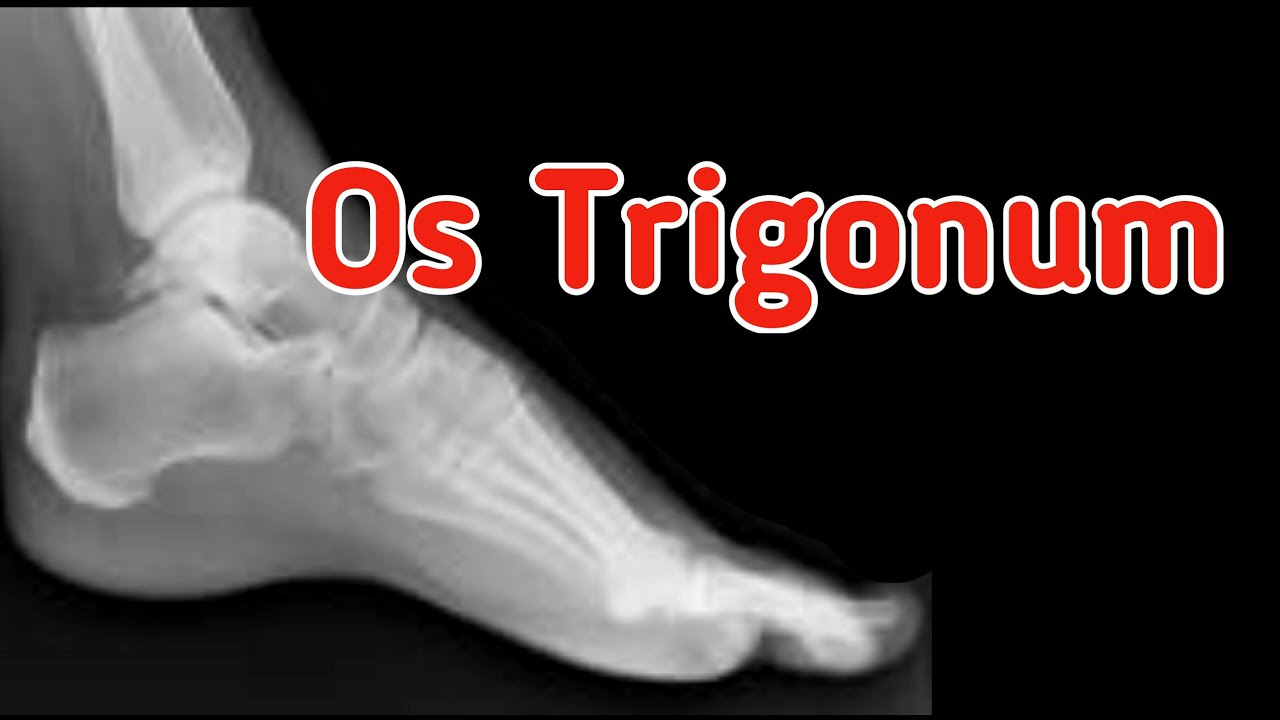
Os trigonum syndrome occurs when the os trigonum, located behind the ankle bone, gets pinched between surrounding bones and soft tissues. This commonly happens when the foot is pointed downward repeatedly, such as during ballet, soccer, or running.
Common symptoms include:
- Pain at the back of the ankle
- Swelling and tenderness
- Difficulty pointing the toes
- Reduced ankle flexibility
- Pain during walking or physical activity
Early diagnosis is important to prevent the condition from worsening over time.
Causes and Risk Factors
Several factors can contribute to os trigonum syndrome, including:
Repetitive Ankle Motion
Athletes and dancers often place repeated stress on the ankle joint, increasing irritation around the os trigonum.
Ankle Injuries
Previous ankle sprains or trauma may trigger inflammation and pain in the affected area.
Intensive Physical Activities
Sports requiring frequent jumping, kicking, or pointing of the toes can increase the risk of developing the syndrome.
Diagnosis of the Condition
Doctors usually diagnose os trigonum syndrome through a physical examination and imaging tests. X-rays, MRI scans, or CT scans may be used to confirm the presence of the extra bone and identify inflammation.
Accurate diagnosis helps healthcare providers recommend the most suitable os trigonum syndrome treatment plan for each patient.
Os Trigonum Syndrome Treatment Options
There are several effective methods for managing this condition, depending on the severity of symptoms.
Rest and Activity Modification
Reducing activities that trigger ankle pain is often the first step in recovery. Rest allows inflammation to decrease naturally.
Ice and Anti-Inflammatory Medication
Applying ice packs and taking prescribed anti-inflammatory medications can help reduce pain and swelling.
Physical Therapy
Physical therapy improves ankle strength, flexibility, and stability. Stretching and mobility exercises are often included in rehabilitation programs.
Immobilization
In some cases, doctors may recommend wearing a walking boot or brace to limit ankle movement and promote healing.
Corticosteroid Injections
If pain persists, injections may help reduce inflammation around the affected area.
Surgical Treatment
When conservative methods fail, surgery may be considered. Surgical os trigonum syndrome treatment involves removing the extra bone and repairing damaged tissues. Most patients recover well after surgery with proper rehabilitation.
Recovery and Prevention
Recovery time varies depending on the treatment method and severity of the condition. Mild cases may improve within a few weeks, while surgical recovery may take several months.
To prevent future ankle problems:
- Warm up properly before exercise
- Wear supportive footwear
- Avoid overtraining
- Strengthen ankle muscles regularly
- Take breaks during repetitive activities
Following these preventive measures can lower the chances of recurring symptoms.
Conclusion
Os trigonum syndrome can significantly affect mobility and athletic performance if left untreated. Fortunately, several effective os trigonum syndrome treatment options are available, ranging from rest and physical therapy to surgical intervention in severe cases. Early diagnosis and proper care are essential for long-term recovery and pain relief.
