



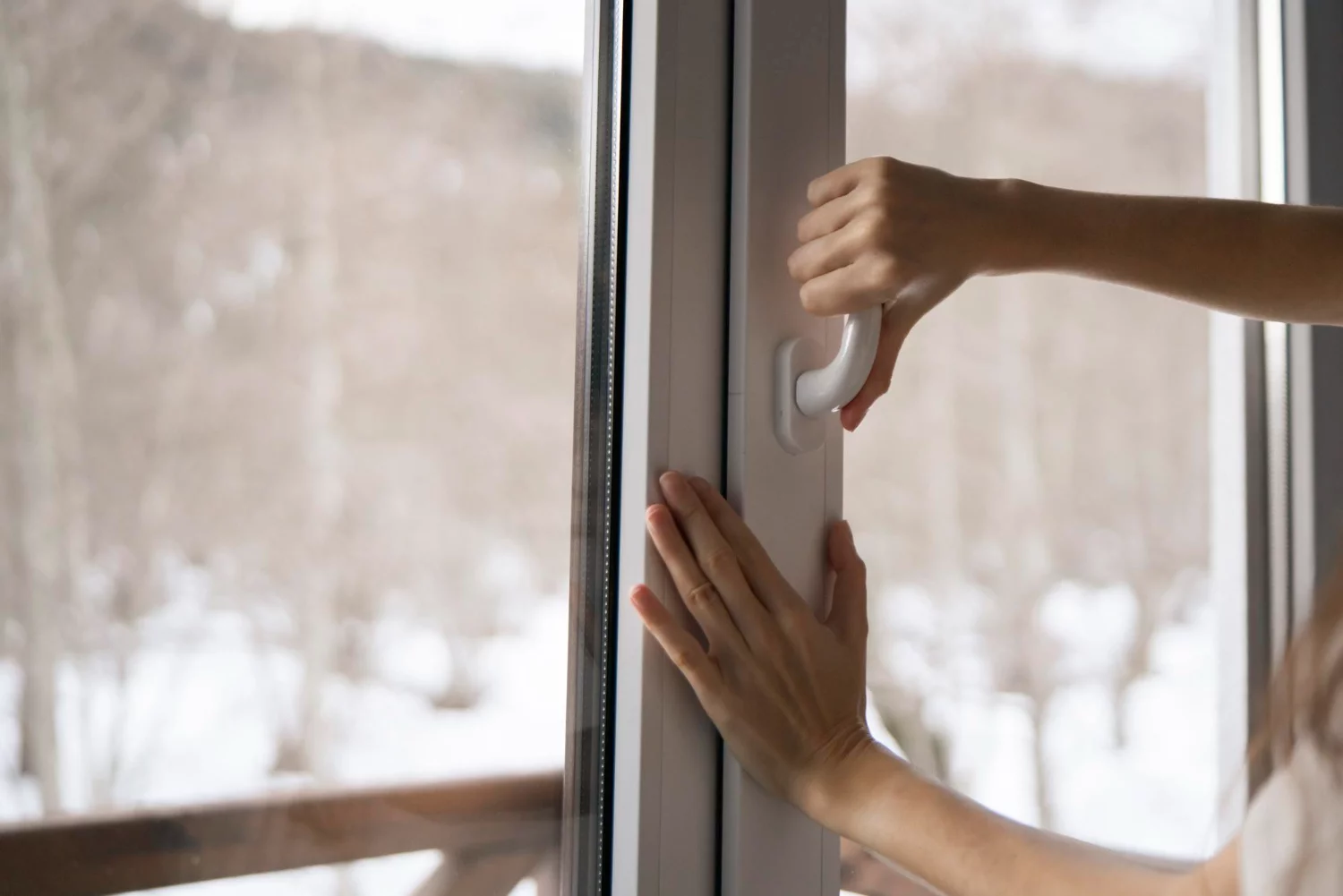
Replacing old or inefficient windows can be more than a cosmetic improvement. For many Sussex homeowners, upgrading the windows can help reduce heat loss, improve indoor comfort and potentially lower the amount of energy needed to heat the property.
Contents
ToggleModern double-glazed and triple-glazed windows are designed with better insulation, improved seals and more efficient glass than many older window systems. However, the actual savings depend on the condition of the existing windows, the property, heating system and how much heat the home loses elsewhere.
Why Older Windows Can Increase Heating Costs
Windows are one of the areas through which heat can escape from a home. Single glazing is particularly poor at retaining indoor heat because there is only one pane separating the warm interior from the colder outside environment.
Older windows can also suffer from worn seals, draughts, poorly insulated frames and damaged glazing units. These problems can make rooms feel colder and may encourage homeowners to turn up the heating to maintain a comfortable temperature.
Modern replacement windows address several of these issues at the same time by combining insulated glazing, improved frames and better sealing.
How Double Glazing Helps Retain Heat
Double glazing consists of two panes of glass separated by an insulating cavity. The space between the panes is commonly filled with air or an inert gas such as argon, creating a barrier that slows the movement of heat.
The difference can be significant when replacing single glazing. Indicative figures from the Open University show a U-value of around 4.8 W/m²K for single glazing compared with substantially lower values for modern double and triple glazing. Since a lower U-value indicates less heat transfer, better-performing windows can reduce heat escaping through the glass.
Low-E Glass Can Improve Thermal Performance
The glass itself also matters. Modern energy-efficient windows can use low-emissivity, or low-E, coatings. These coatings help reflect heat back into the room while allowing natural daylight to enter.
This means homeowners can benefit from improved thermal performance without having to sacrifice natural light. Energy-efficient windows may also help reduce cold spots near glazing, making rooms feel more comfortable during colder Sussex weather.
Better Seals Can Reduce Draughts
Heat loss is not only about the glass. Poorly sealed windows can allow cold air to enter and warm air to escape.
Replacement windows normally incorporate modern seals and locking systems designed to provide a tighter fit when closed. Reducing unwanted draughts can make a noticeable difference to how a room feels, particularly around windows that are old, damaged or difficult to close properly.
A warmer-feeling room may also mean homeowners can maintain comfort without relying as heavily on continuous heating.
Understanding U-Values and Window Energy Ratings
When comparing replacement windows, it is useful to look beyond the appearance of the frame. A window’s U-value measures heat transfer through the window, with lower values indicating better insulation.
Window Energy Ratings provide another way of comparing overall performance because they consider factors such as heat loss, draughts and solar gain. The Energy Saving Trust recommends looking at the energy rating of the complete window rather than judging performance solely from the glass or frame material.
How Much Could You Save?
There is no single saving figure that applies to every Sussex property. The potential reduction in heating costs depends heavily on what the new windows are replacing.
For example, replacing old single glazing can provide a much greater improvement than replacing relatively modern, well-performing double glazing. The Energy Saving Trust currently estimates that replacing single glazing throughout a typical semi-detached home with A-rated double glazing can save around £85 per year in Great Britain, although actual savings vary according to the property and energy use.
Older government guidance has also demonstrated that savings vary according to property type and window energy rating. Therefore, replacement windows should be viewed as part of an overall energy-efficiency strategy rather than a guaranteed fixed reduction in bills.
Choosing Windows for Sussex Properties
Sussex contains a wide variety of homes, from modern properties to older cottages and period houses. The most appropriate window solution can therefore vary considerably.
Homeowners should consider:
- The existing window condition
- Whether the property currently has single or double glazing
- Window energy rating
- Whole-window U-value
- Frame material
- Quality of seals and installation
- Ventilation requirements
- The architectural character of the property
- Local planning or conservation considerations where applicable
A suitable replacement should balance thermal performance with appearance, durability, ventilation and the requirements of the building.
Double or Triple Glazing?
Triple glazing adds another pane and insulating cavity, potentially providing better thermal insulation than double glazing. However, that does not automatically mean it is the right choice for every home.
The Energy Saving Trust notes that triple glazing can provide additional insulation and comfort but is generally more expensive than double glazing. The best option depends on the property, existing insulation, budget and desired performance.
For many homeowners, a high-quality energy-efficient double-glazed installation may provide a practical balance between performance and cost.
Windows Are Only One Part of the Energy Picture
Replacing windows can reduce heat loss, but it is important to consider the whole property. Heat can also escape through roofs, walls, floors, doors and areas affected by draughts.
For this reason, homeowners may achieve better overall results by combining efficient windows with appropriate loft insulation, draught-proofing, efficient heating controls and other improvements.
This approach helps ensure that investment in new windows is complemented by improvements elsewhere in the home’s thermal envelope.
The Role of Professional Installation
Even a high-performance window can perform poorly if it is incorrectly installed. Gaps around the frame, inadequate sealing or poor fitting can undermine the thermal benefits of the product.
Professional installation should therefore be considered alongside the specification of the glass and frame. A properly fitted window should provide an effective seal while maintaining appropriate ventilation for the property.
Why New Windows Can Make a Sussex Home More Comfortable
Lower heating consumption is only one potential benefit of modern windows. Energy-efficient glazing can also reduce draughts, cold spots and internal condensation, while helping reduce outside noise.
For homeowners, this can make the investment worthwhile even when the direct reduction in annual heating costs varies from property to property.
Working With the Right Window Company
Choosing an experienced local window company can make the replacement process easier. A professional provider should be able to discuss different glazing options, frame materials, energy ratings and installation requirements rather than simply recommending one standard product.
For homeowners researching replacement windows in the region, Safe Homes Windows Sussex Ltd can be considered when comparing options for improving window performance and home comfort.
Final Thoughts
New windows can help Sussex homeowners reduce unnecessary heat loss and make their homes warmer and more comfortable. The greatest potential improvement is generally found where inefficient single glazing, damaged frames or draughty older windows are being replaced.
Modern double glazing, low-E glass, insulated frames and effective seals can all contribute to better thermal performance. However, homeowners should consider the complete window specification, installation quality and the condition of the rest of the property before estimating potential savings.
Ultimately, upgrading windows can be a useful part of a wider home-energy improvement plan—particularly when the existing windows are old, draughty or poorly insulated.
