



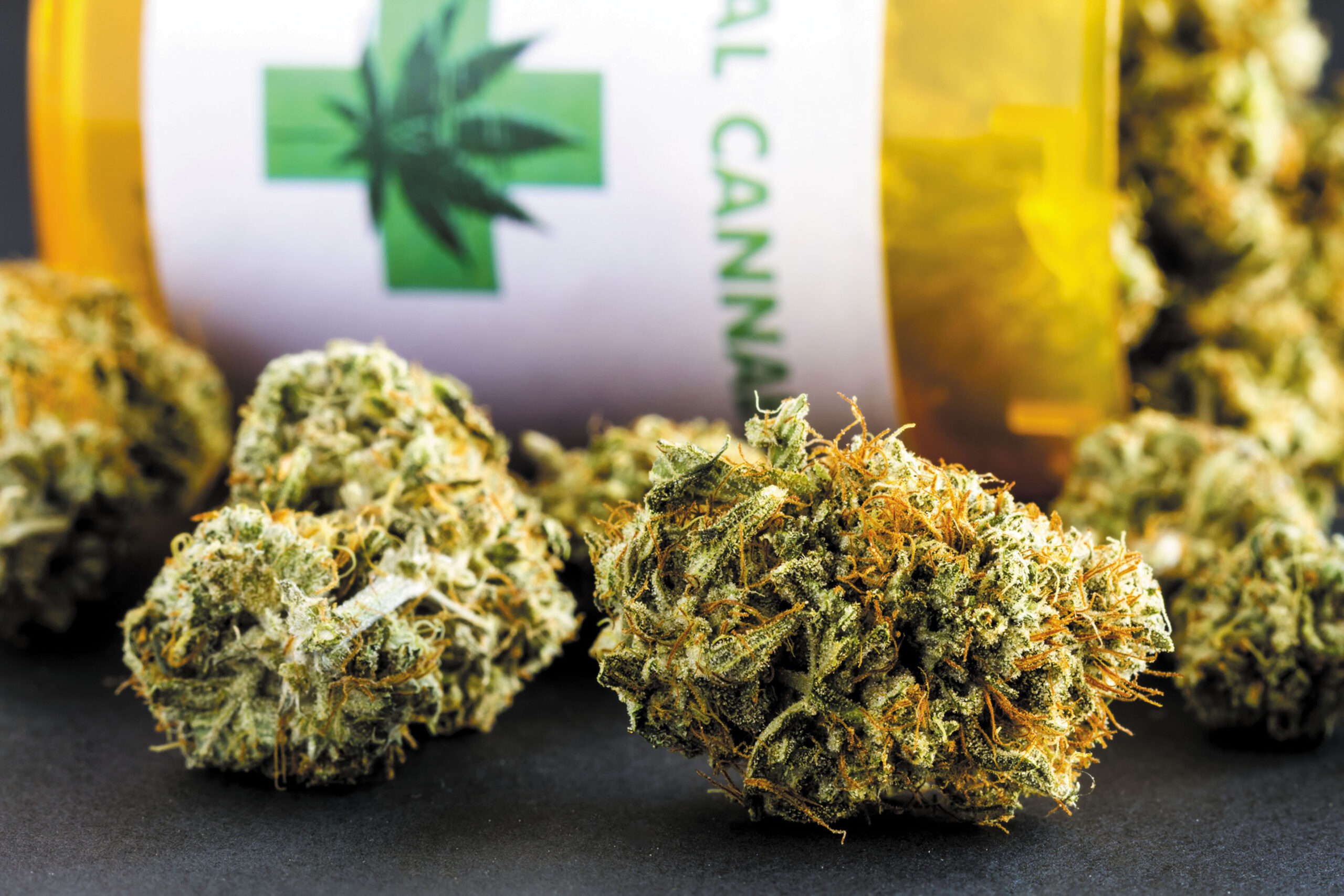
Pain—whether chronic or acute—can significantly affect quality of life. In recent years, cannabis has moved from being a controversial substance to a widely discussed option for managing pain. But how much of this shift is backed by science, and how much is driven by anecdote? Let’s take a closer, research-informed look at whether cannabis can truly help with pain management.
Understanding Cannabis and Its Active Compounds
Cannabis contains over 100 chemical compounds known as cannabinoids. The two most studied are:
- THC (tetrahydrocannabinol): The psychoactive component responsible for the “high.”
- CBD (cannabidiol): Non-psychoactive and often linked to therapeutic benefits.
These compounds interact with the body’s endocannabinoid system, which plays a role in regulating pain, mood, appetite, and immune response.
What Research Says About Cannabis and Pain Relief
Chronic Pain Conditions
Several clinical studies suggest that cannabis may help reduce chronic pain, particularly:
- Neuropathic pain (nerve-related pain)
- Pain from conditions like multiple sclerosis
- Arthritis-related discomfort
A number of systematic reviews have found moderate evidence that cannabis-based medicines can reduce chronic pain symptoms, especially when traditional treatments are ineffective.
Inflammation and Muscle Pain
CBD, in particular, has shown anti-inflammatory properties in both animal and human studies. This makes it potentially useful for conditions like:
- Muscle soreness
- Joint inflammation
- Autoimmune disorders
However, results vary depending on dosage, method of use, and individual response.
Limitations and Concerns in Research
Despite promising findings, the research is far from conclusive. Some key limitations include:
- Small sample sizes in many studies
- Short-term focus, with limited long-term safety data
- Variability in cannabis products, making standardization difficult
Additionally, THC can cause side effects such as dizziness, impaired memory, and dependency risks in some users.
Is Cannabis Safer Than Traditional Painkillers?
One reason cannabis is gaining attention is its potential as an alternative to opioids. Unlike opioids, cannabis has a lower risk of fatal overdose. Some studies even suggest that access to cannabis may reduce opioid use in certain populations.
That said, “safer” does not mean risk-free. Cannabis still carries potential downsides, particularly with heavy or long-term use.
Legal and Access Considerations
Access to cannabis varies widely depending on location. For instance, discussions around how to get weed in UK often highlight the strict legal framework. In the UK:
- Cannabis is classified as a controlled substance.
- It is only legally available for medical use under very specific conditions and with a specialist prescription.
This means that while interest in cannabis for pain management is growing, access remains limited and regulated in many regions.
Who Might Benefit the Most?
Research suggests cannabis may be most helpful for:
- Patients with treatment-resistant chronic pain
- Individuals seeking alternatives to strong pharmaceuticals
- Those who respond poorly to conventional therapies
However, it’s not typically recommended as a first-line treatment.
Final Thoughts: Promising, But Not a Miracle Cure
Cannabis shows real promise in the field of pain management, especially for chronic and neuropathic conditions. Scientific evidence supports its potential, but it is not a one-size-fits-all solution.
More large-scale, long-term studies are needed to fully understand its effectiveness and safety. Until then, cannabis should be approached as a complementary option rather than a guaranteed cure—and always under proper medical guidance where legal.
