



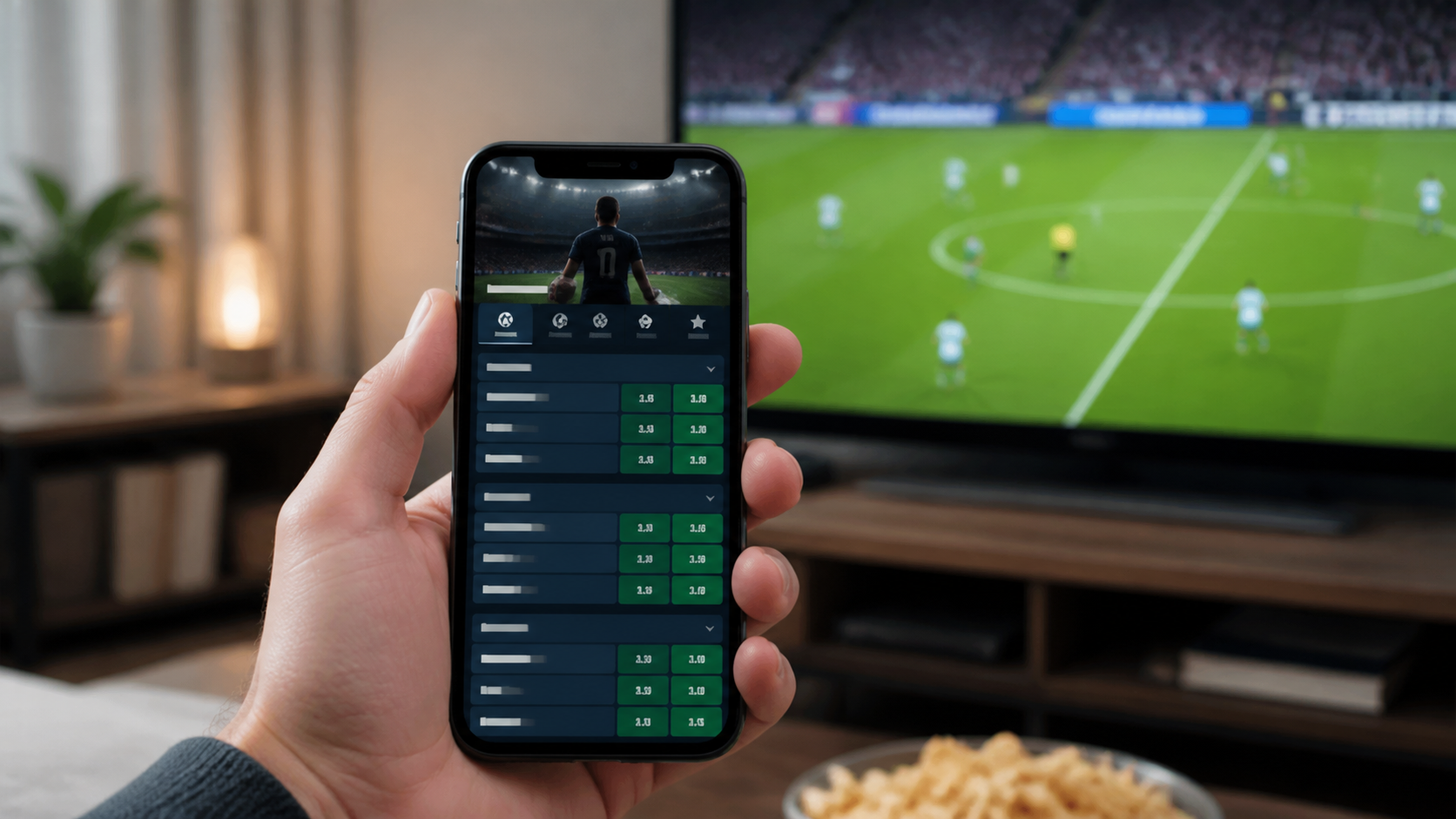
Sports betting has moved well beyond placing a wager at a counter. Many people now encounter odds, markets, and account tools through websites and mobile-friendly platforms. The variety can make choosing a service feel confusing, especially when different platforms present their features in different ways. A careful comparison is more useful than relying on a prominent offer or a familiar name.
Understanding how betting sites work can help readers assess what they are looking at before deciding whether to participate. Useful considerations include the sports and markets available, how clearly odds are displayed, what account rules apply, and whether the platform supports sensible limits. These details matter more than promotional language because they shape the everyday experience of using a sportsbook.
This guide outlines practical ways to compare sportsbook services, read their terms, and approach betting as entertainment rather than a source of income. Availability and rules can differ by location, so readers should check the requirements that apply where they live before creating an account.
Start with the sports and markets you actually follow
A platform’s overall size does not tell you whether it suits your interests. One person may want basic markets for major football matches; another may care about basketball, tennis, esports, or less prominent competitions. Begin by identifying the events you follow and checking whether the platform offers relevant coverage in a clear, consistent format.
Markets are the different outcomes on which a user may place a wager. A match-winner market is straightforward, while options involving totals, handicaps, or specific in-game events require a better understanding of the terms. More choice is not automatically an advantage: an extensive menu can be difficult to navigate, and unfamiliar markets may make it easier to act without understanding the conditions.
Look at how an event page organizes its information. It should be possible to distinguish the competitors, start time, market names, and odds without guessing. If the platform’s labels are unclear or the same market appears under several confusing categories, that is a practical drawback. Ease of finding information is part of the experience, not a minor cosmetic detail.
Compare odds, interface, and account usability
Odds describe the price offered for a possible outcome, but they should be read alongside the market rules and the way a wager is settled. Comparing the same outcome across platforms can help illustrate differences, yet the figures may change as events approach. A snapshot should not be treated as a promise that a particular price will remain available.
The interface also affects how easily users can review their choices. Check whether a bet slip clearly shows the selected event, market, stake, and potential return before submission. On a phone, readable text and straightforward navigation are particularly useful. A cluttered page, unclear buttons, or frequent prompts can make it harder to focus on the details of a decision.
People comparing betting sites can use a simple checklist rather than judging a platform by a single feature. Consider whether the sports you follow are available, whether the odds and rules are understandable, whether account information is easy to locate, and whether the service provides tools for managing activity. A consistent comparison helps separate useful features from attention-grabbing presentation.
Read terms and understand account features
Before using a sportsbook, read the terms that govern account use, payments, withdrawals, and promotional offers. Conditions can vary, and a short headline may not explain every restriction. Pay attention to eligibility, time limits, minimum requirements, and any steps needed to access an offer. If a condition is difficult to understand, do not assume it means something more favorable than the written terms state.
Check practical details before registering
Review the platform’s information about account verification, accepted payment methods, and how withdrawal requests are handled. These are practical questions, not guarantees about how quickly a transaction will be completed. It is also sensible to check whether support options are easy to find and whether help pages explain common account questions in plain language.
Availability can depend on a person’s location, and rules for online wagering are not identical everywhere. Confirm that the service is accessible and permitted under the rules that apply to you. Do not rely on a general description written for another country or region. If you are unsure about a requirement, seek current, locally relevant guidance before proceeding.
Look beyond promotional offers
Promotions can be appealing, but they should not be the main reason for choosing a service. Read the full conditions and consider whether the offer fits your intended use. Avoid increasing a stake simply to meet a promotional threshold, and never treat a bonus as free money without checking its restrictions. A platform that explains its rules clearly may be easier to assess than one whose most visible message is a limited-time offer.
Consider responsible play and personal limits
Sports betting involves uncertainty. Knowledge of a team or sport does not remove the possibility of losing a stake, and past results do not guarantee future outcomes. For that reason, wagering should be treated as entertainment with a cost, not as a way to earn income or recover previous losses. Decide in advance what amount, if any, you can afford to spend, and do not use money set aside for essential expenses.
Useful account controls may include options to set limits, take a break, or restrict access. Explore these features before they are needed and choose limits that suit your circumstances. Keeping a record of time and spending can also make patterns easier to notice. If betting stops feeling recreational, causes financial strain, or affects relationships, stepping away and seeking appropriate support are sensible responses.
- Set a spending limit before placing any wagers.
- Do not chase losses by increasing stakes.
- Take breaks and avoid betting when upset or under pressure.
- Keep betting separate from essential bills and financial plans.
These habits do not make outcomes predictable; they help keep decisions within boundaries. A platform’s responsible-play tools are useful only when users take time to understand and apply them. If you are comparing services, consider how visible and accessible those tools are, alongside sports coverage and usability.
Make a thoughtful comparison before choosing
A sound comparison balances several factors instead of reducing the decision to odds or a promotional headline. Relevant sports, clearly presented markets, readable terms, accessible account information, and practical control features all contribute to a more informed assessment. Not every platform will suit every user, and a longer list of options does not necessarily mean a better experience.
It can help to write down a few priorities before browsing. For example, you might value a simple mobile layout and clear event information more than a wide selection of niche markets. Then check each priority directly rather than relying on assumptions. Take the time to read important conditions, confirm local availability, and leave the decision if something remains unclear.
Ultimately, betting sites are best evaluated with a careful, low-pressure approach. Compare the details that affect everyday use, understand the limits and terms, and keep any participation within a predetermined entertainment budget. No interface, market selection, or analysis can remove the uncertainty inherent in sports outcomes. An informed choice begins with realistic expectations—and sometimes the most appropriate choice is not to place a wager.
