



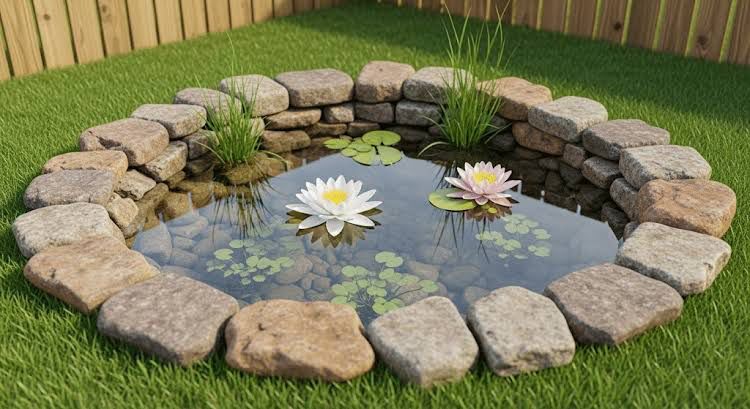
A well-designed pond can transform an ordinary garden into a peaceful and inviting outdoor retreat. Adding the right plants not only enhances the beauty of the water feature but also creates a more natural environment for fish, insects, birds, and other wildlife. From colorful flowering plants to floating greenery, the right combination can make your pond look vibrant and balanced throughout the seasons.
If you are planning to build or improve a pond, choosing the Best Pond Plants to Create a Beautiful and Natural Water Garden can make a significant difference. The ideal plants provide color, texture, shade, and ecological benefits while helping your pond blend naturally with its surroundings.
Why Pond Plants Are Important
Pond plants are more than just decorative additions. They can play an important role in maintaining a healthy aquatic environment. Many aquatic plants absorb excess nutrients from the water, which can help limit unwanted algae growth. Their roots and leaves can also provide shelter for fish and small aquatic creatures.
Plants can also provide shade and improve the overall appearance of your pond. By combining different types of aquatic plants, you can create layers of vegetation that make the water garden look more natural and visually appealing.
Best Types of Pond Plants
There are several categories of pond plants, and each serves a different purpose. Using a mixture of floating, submerged, marginal, and deep-water plants can create a balanced and attractive water garden.
1. Water Lilies
Water lilies are among the most popular pond plants because of their beautiful flowers and large floating leaves. They are available in many colors, including white, pink, red, yellow, and purple.
Their broad leaves can provide shade for fish while helping to reduce the amount of sunlight reaching the water. This makes water lilies both attractive and useful for a healthy pond environment.
2. Lotus
Lotus plants are an excellent choice if you want to create a dramatic focal point. Their large flowers and distinctive leaves can rise above the surface of the water, creating an elegant appearance.
Lotus plants generally require plenty of sunlight and sufficient space to spread, so they are best suited to larger ponds or spacious water gardens.
3. Water Hyacinth
Water hyacinth is a floating plant known for its attractive green leaves and delicate purple-blue flowers. It can quickly add color and texture to a pond.
However, it can spread rapidly under favorable conditions. Before planting it, check whether it is considered invasive in your area and make sure it can be properly controlled.
4. Water Lettuce
Water lettuce has soft, light-green leaves arranged in a rosette shape. Its floating growth habit gives ponds a natural, lush appearance.
It can also provide shelter for small aquatic creatures. Like other fast-growing floating plants, however, it should be monitored so that it does not cover too much of the pond surface.
5. Pickerelweed
Pickerelweed is a beautiful marginal plant that grows along the edges of ponds. It produces spikes of attractive blue or purple flowers and can add height and structure to your water garden.
Its foliage also provides useful habitat for insects and other wildlife, making it a great choice for gardeners who want a pond that supports local biodiversity.
6. Cattails
Cattails are recognizable by their tall, narrow leaves and distinctive brown flower spikes. They can create a natural, wetland-inspired appearance around the edges of a pond.
Because some cattail varieties can spread aggressively, it is important to select an appropriate variety and manage its growth regularly.
How to Choose the Right Pond Plants
When selecting plants, consider your pond’s size, depth, sunlight exposure, and climate. Some plants prefer deep water, while others thrive in shallow areas around the edges.
It is also important to avoid overcrowding. Too many plants can cover the water surface and interfere with healthy water circulation. A balanced combination of plants with different growth habits will usually produce the most attractive results.
Before purchasing any aquatic plant, check whether it is invasive or restricted in your region. Choosing native or well-behaved species can help protect local ecosystems while making pond maintenance easier.
Creating a Natural-Looking Water Garden
The Best Pond Plants to Create a Beautiful and Natural Water Garden are those that complement one another in color, height, texture, and growth habit. Instead of placing plants evenly around the pond, try grouping them in natural-looking clusters.
Use taller marginal plants toward the back or along selected edges, floating plants across open areas, and flowering plants as focal points. Leave some open water visible so the pond does not appear overcrowded.
Adding natural rocks, gravel, logs, and other suitable landscape features can further enhance the appearance. These elements can help create a transition between the pond and the surrounding garden.
Maintaining Your Pond Plants
Even low-maintenance pond plants require occasional care. Remove dead leaves and flowers before they decay in the water, and trim plants that begin to spread beyond their intended areas.
Keep an eye on floating plants and thin them when they become too dense. Regular maintenance helps preserve water circulation and keeps your pond looking clean and attractive.
It is also wise to observe your pond throughout the year. Some plants may become dormant during colder months, while others may need to be cut back or protected depending on your local climate.
Final Thoughts
Choosing the right plants can turn a simple pond into a beautiful ecosystem filled with color, texture, and wildlife. Whether you prefer the elegant flowers of water lilies, the dramatic appearance of lotus, or the natural look of marginal plants, there are many options to suit different garden styles.
By selecting the Best Pond Plants to Create a Beautiful and Natural Water Garden and combining them thoughtfully, you can create a relaxing outdoor space that looks beautiful while supporting a healthier aquatic environment. With proper planning and regular care, your pond can remain an attractive and natural feature of your garden for years to come.
