



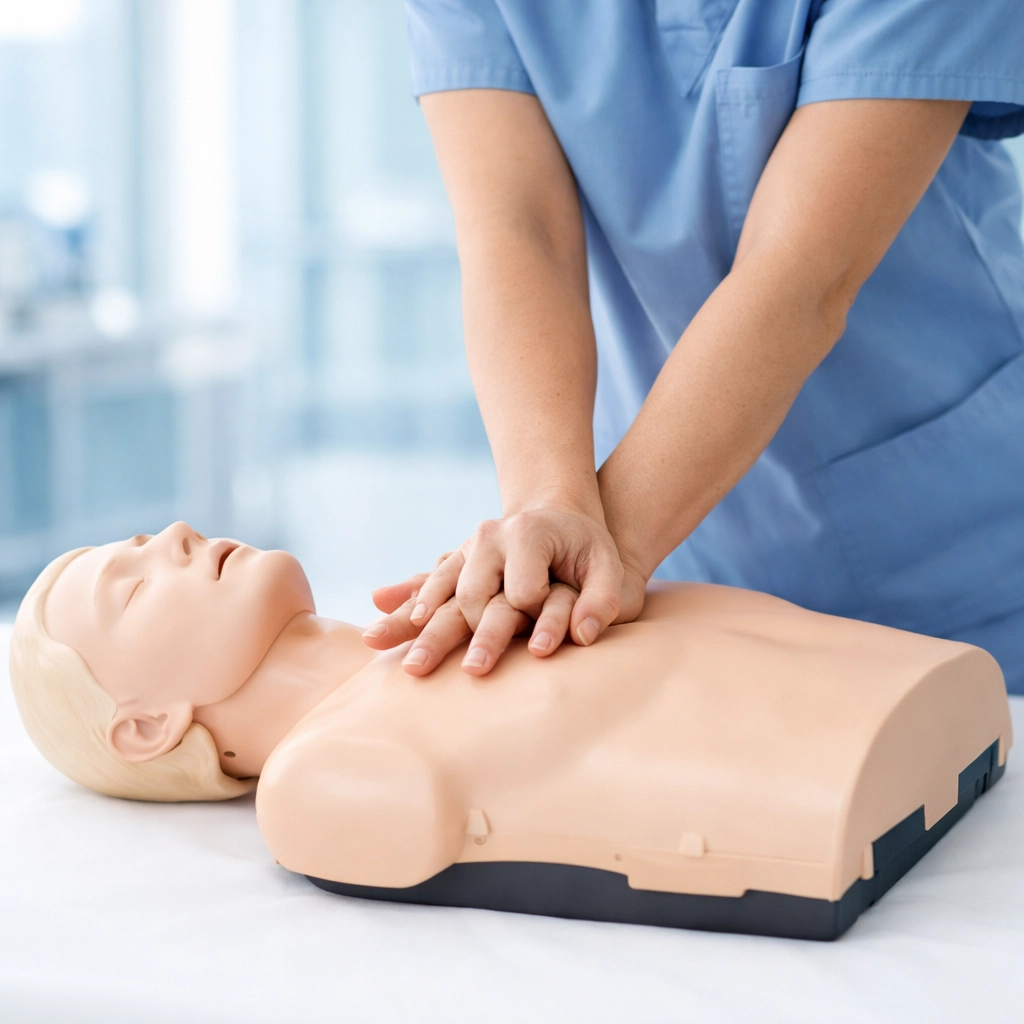
As we move into 2026, the benchmark for emergency cardiovascular care in Canada has undergone a significant transformation. Regulatory bodies and professional colleges across the provinces have increasingly moved toward standardized, high-performance training requirements to ensure better patient outcomes. For the modern practitioner—whether they are a registered nurse in a busy clinical setting or an exercise physiologist managing community health—the ability to secure an online bls certification canada has become a vital asset. This transition to digital learning allows for a more personalized, evidence-based approach to mastering the complex algorithms required to save a life, ensuring that clinical skills remain sharp and compliant with the latest national safety mandates.
The Evolution of Basic Life Support in 2026
The current clinical guidelines emphasize that Basic Life Support (BLS) is the foundation of the entire Chain of Survival. Unlike general CPR training, BLS is a professional-grade credential specifically designed for those with a “duty to respond.”
In 2026, the focus has shifted toward several key areas of clinical excellence:
- High-Performance Team Dynamics: Understanding how to lead or participate in a multi-rescuer resuscitation attempt to minimize the “hands-off” time during chest compressions.
- Rapid Pulse and Breathing Assessment: Mastering the 10-second window to accurately identify cardiac arrest versus respiratory arrest.
- Advanced Airway Management: Utilizing professional equipment like bag-valve masks (BVMs) and ensuring proper ventilation volumes for all age groups.
- Pediatric Specializations: Recognizing that pediatric cardiac arrest is often respiratory in nature, requiring a specific sequence of rescue breaths and compressions that differ from adult protocols.
Mandatory Compliance for Canadian Professionals
Recent policy shifts, such as those announced by the Canadian Society for Exercise Physiology (CSEP), now require all Clinical Exercise Physiologists to hold valid BLS certification for their professional liability insurance to remain active. Similar mandates are appearing across nursing, dental, and emergency service sectors. Online platforms address this growing need for compliance by providing:
- Provincial Recognition: Ensuring that the curriculum aligns with OHS standards in Alberta, Ontario, British Columbia, and beyond.
- Instant Accreditation: Providing digital certificates that can be instantly uploaded to professional portals for renewal.
- Continuous Updates: Digital modules are updated in real-time as new ILCOR or Heart & Stroke guidelines are released, keeping practitioners at the cutting edge of resuscitation science.
The Cognitive Benefits of Digital Instruction
One of the primary advantages of virtual training is the ability to manage the “cognitive load” of complex medical procedures. In a high-stress emergency, the brain relies on well-practiced protocols. Online training allows healthcare workers to repeat challenging modules—such as the specific ratios for two-rescuer infant CPR or the troubleshooting of an AED in special circumstances—until the actions become instinctive. This “deliberate practice” is far more effective for long-term skill retention than the passive observation often found in traditional, overcrowded classroom settings.
Streamlining Workplace Safety Management
For hospital administrators and HR managers in the Canadian health sector, the logistics of keeping a large staff certified can be daunting. The shift toward online-supported training has drastically reduced the downtime associated with professional development. Staff can complete the theoretical and cognitive portions of their BLS training during their shifts or from home, ensuring that the facility remains fully staffed while maintaining the highest possible level of emergency preparedness.
Bridging the Gap Between Training and Action
Ultimately, the value of a certification is measured by the confidence it gives the responder to act. By removing the barriers of travel and rigid scheduling, more Canadian professionals are now equipped with the skills to intervene during a cardiac event. This increased density of trained responders is the most effective way to improve survival rates across the country. Choosing a provider like Simple CPR ensures that your training is not only convenient but grounded in the most rigorous clinical standards available today.
