



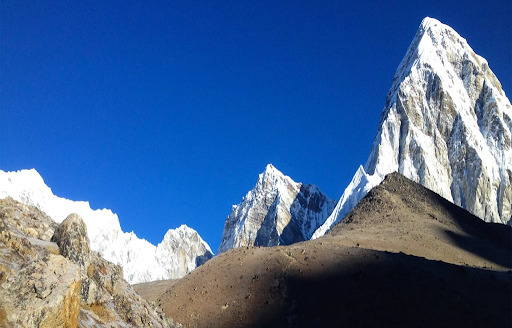
The Everest Base Camp Trek is one of the most iconic and sought-after trekking adventures on Earth. Every year, thousands of adventurers set their sights on reaching the foothills of Mount Everest (8,848.86m), the highest mountain in the world. This trek combines dramatic landscapes, ancient Sherpa culture, and awe-inspiring Himalayan panoramas in a challenging yet deeply rewarding journey. From the thrilling flight into Lukla to standing at the legendary Everest Base Camp itself, this adventure offers experiences that stay with trekkers for a lifetime.
A Legendary Journey Begins
The Everest Base Camp Trek typically starts in Lukla, a small mountain town reached via a short but exhilarating flight from Kathmandu. The flight alone is a memorable highlight, offering the first sweeping views of the Himalayan range. Once in Lukla, trekkers step onto a trail that has been followed by mountaineers, Sherpas, and local traders for centuries.
The first stages of the trek pass through dense forests, suspension bridges, and peaceful villages along the Dudh Koshi River. The fresh mountain air, vibrant prayer flags, and distant views of snow-covered peaks create a sense of excitement and anticipation for the journey ahead.
Namche Bazaar: The Heart of Sherpa Culture
One of the most important stops on the trek is Namche Bazaar, the bustling Sherpa capital. At 3,440 meters, Namche is a hub of shops, bakeries, lodges, and cultural sites. Due to its altitude, trekkers usually spend an acclimatization day here—an essential step for adjusting to the thinning air.
During the acclimatization day, many hikers explore the Everest View Hotel, Khumjung Village, or the Sherpa Museum. These side hikes not only help adjust to the elevation but also offer breathtaking panoramas of Everest, Ama Dablam, and Thamserku. Namche’s unique blend of tradition and modern trekking culture makes it one of the most memorable places along the trail.
Tengboche: Spiritual Sanctuary of the Himalayas
Continuing along the route, trekkers ascend gradually to Tengboche, home to the famous Tengboche Monastery—one of the most spiritual landmarks in the region. Surrounded by towering Himalayan peaks, including the iconic Ama Dablam, the monastery provides a serene atmosphere that captures the essence of the Khumbu region.
Trekkers often join the monks for morning or evening prayers, a moving and peaceful experience. The combination of natural beauty and sacred tradition makes Tengboche a highlight of the entire journey.
Climbing Higher: Dingboche to Lobuche
Beyond Tengboche, the trail climbs steadily toward the higher-altitude villages of Dingboche and Lobuche. The landscapes become more rugged and barren as trees give way to alpine terrain and glacial moraines. This part of the trek demands slower walking, steady breathing, and proper hydration to avoid altitude complications.
In Dingboche (4,410 m), trekkers typically take another acclimatization day. A popular side hike leads to Nangkartshang Peak, a viewpoint that offers unparalleled views of Makalu, Ama Dablam, and Lhotse. As the trail continues towards Lobuche, the trek becomes both physically and emotionally intense, with views of the Khumbu Glacier signaling the proximity of Everest Base Camp.
The Final Push to Everest Base Camp
The journey from Lobuche to Gorak Shep, the final settlement before Everest Base Camp, is one of the most exciting segments of the trek. After a short rest in Gorak Shep, trekkers begin the final push toward Everest Base Camp (5,364m). The route winds across rocky terrain and glacial paths, offering surreal views of the Khumbu Icefall—one of the most dangerous sections faced by Everest climbers.
Reaching Everest Base Camp is an achievement that fills trekkers with a profound sense of accomplishment. Standing at the foot of the world’s tallest mountain, surrounded by massive ice formations and towering peaks, is a moment many describe as life-changing. During climbing season (spring), trekkers can even see expedition tents set up by mountaineering teams preparing their ascent.
Kala Patthar: The Best View of Everest
Although Everest Base Camp is a significant milestone, the best panoramic view of Mount Everest is found on Kala Patthar (5,545m). Trekkers usually climb it early in the morning to witness the sun rising over Everest, bathing the summit in golden light. The view from Kala Patthar is unmatched—Everest stands tall and clear, with Nuptse, Pumori, and the surrounding peaks completing the breathtaking panorama.
For many, this sunrise experience becomes one of the most emotional and unforgettable moments of the entire trek.
Wildlife, Nature, and Diversity of the Khumbu Region
The Everest Base Camp Trek passes through Sagarmatha National Park, a UNESCO World Heritage Site. Trekkers may encounter Himalayan wildlife such as:
- Himalayan tahrs
- Snow pigeons
- Musk deer
- Danphe (national bird of Nepal)
The natural diversity—from pine forests and riversides to high-altitude deserts and glaciers—makes the trek a constantly changing visual journey. Every day brings new scenery, weather, and cultural encounters.
Challenges and Preparation
The Everest Base Camp Trek is moderately to highly challenging. While you do not need technical mountaineering skills, you must have a good level of physical fitness. Key challenges include:
- High altitude and risk of AMS
- Long trekking days (5–7 hours on average)
- Cold temperatures at higher elevations
- Simple accommodations and meals
Training for cardio endurance, leg strength, and stamina is highly recommended. Trekking with a guide increases safety and enhances cultural understanding.
Best Time to Trek
The best seasons for the Everest Base Camp Trek are:
Spring (March to May)
Clear weather, blooming rhododendrons, and ideal temperatures.
Autumn (September to November)
Stable climate, excellent visibility, and crisp mountain views.
These seasons offer the safest and most visually rewarding trekking experiences.
Conclusion
The Everest Base Camp Trek is more than just a hike—it is a profound and transformative adventure through one of the world’s most spectacular mountain landscapes. From the vibrant Sherpa culture of Namche Bazaar to the icy grandeur of the Khumbu Glacier, each step offers something extraordinary. Reaching Everest Base Camp and witnessing Everest from Kala Patthar are achievements that stay forever in the hearts of trekkers. Whether you seek natural beauty, cultural richness, personal challenge, or the thrill of standing beneath the world’s highest peak, the Everest Base Camp Trek delivers a truly unforgettable experience.
CONTACT US;
COMPANY NAME; Nepal Pioneer Treks and Expedition Pvt. Ltd.
ADDRESS; Thamel, Kathmandu 44600, Nepal
EMAIL; [email protected]
WHATSAPP NO; +977 9841159744 (Binod)
