



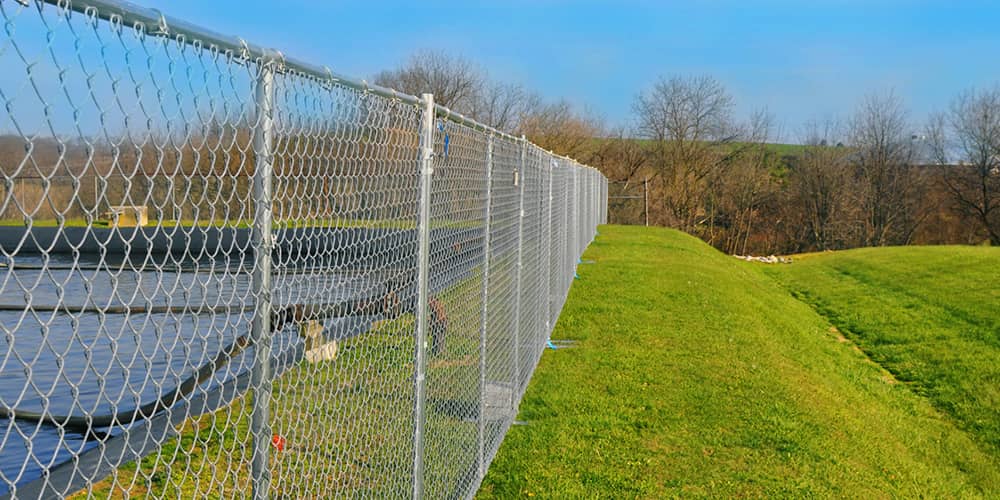
Temporary fences are widely used in construction sites, events, and various outdoor projects. While they offer essential safety, security, and crowd control benefits, it is crucial to consider their environmental impact. Understanding the ecological consequences and taking proactive steps can make temporary fencing a more sustainable choice.
The Environmental Impact of Temporary Fencing
Temporary fences are often made from metal, plastic, or wood, and their production, installation, and disposal can affect the environment. Metal fences require mining and processing, which contribute to energy consumption and greenhouse gas emissions. Plastic fencing, although lightweight and easy to install, can lead to pollution if not properly recycled. Even wooden fences may involve deforestation or chemical treatments that can harm soil and water quality.
Site Preparation and Habitat Preservation
Before installing temporary fence, it is essential to assess the site’s environmental sensitivity. Areas with local wildlife, water bodies, or protected vegetation require careful planning. Installing fences without damaging existing habitats helps preserve biodiversity and reduces soil erosion. Using markers to guide fence placement can minimize unnecessary disruption to flora and fauna.
Sustainable Materials and Practices
Choosing eco-friendly materials can significantly reduce the environmental footprint of temporary fencing. For example, recycled metal or plastic fences are more sustainable than their virgin counterparts. Additionally, opting for modular or reusable fencing systems allows for multiple uses, minimizing waste. Proper disposal or recycling of temporary fences at the end of their life cycle further mitigates environmental impact.
Reducing Energy and Resource Consumption
Transportation and installation of temporary fences also have environmental consequences. Consolidating deliveries, using manual installation when possible, and planning the layout efficiently can reduce fuel consumption and emissions. These small steps contribute to a more environmentally responsible approach when deploying temporary fencing solutions.
Conclusion
Environmental considerations when using temporary fences are critical to ensuring that safety and security do not come at the expense of ecological well-being. By selecting sustainable materials, protecting habitats, and reducing waste and emissions, temporary fencing can be both effective and environmentally responsible. Adopting these practices ensures that projects respect nature while maintaining operational needs.
