



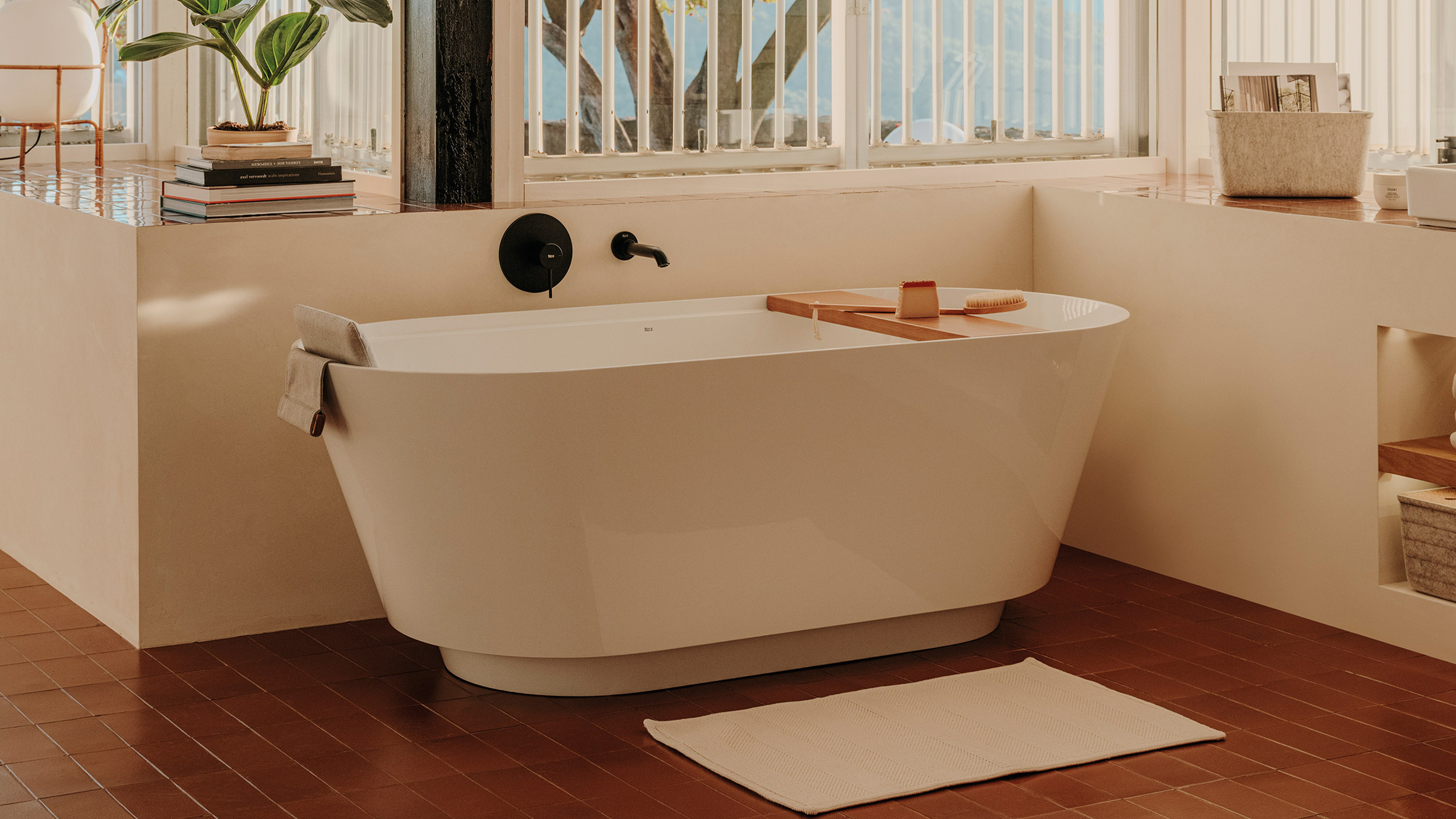
Freestanding baths are a luxurious and stylish addition to any bathroom, offering an aesthetic appeal that integrates seamlessly with various design styles. If you’re considering installing a freestanding bath nz in your New Zealand home, this complete guide to installing a freestanding bath in your NZ home will walk you through everything you need to know—from selecting the perfect bath to the installation process itself.
Why Choose a Freestanding Bath for Your NZ Home?
A freestanding bath can elevate the look and feel of your bathroom. Not only do they provide a touch of elegance and sophistication, but they also offer practical benefits, such as:
- Versatility in Design: Freestanding baths come in a wide range of designs, materials, and sizes, allowing you to pick one that complements your style.
- Spaciousness: These baths often provide a more open, airy feel compared to built-in tubs, making them ideal for larger bathrooms or smaller spaces that need a statement piece.
- Ease of Maintenance: With fewer corners and crevices than built-in tubs, freestanding baths are often easier to clean.
Now that we know the benefits, let’s dive into the steps required for installation.
Step 1: Choose the Right Freestanding Bath
When it comes to choosing the right freestanding bath, several factors need to be considered:
Material Options
Freestanding baths come in various materials, each offering unique benefits:
- Acrylic: Lightweight, affordable, and easy to maintain.
- Stone Resin: Known for its durability and high-end look.
- Cast Iron: Classic and heavy, offering great heat retention.
- Copper: Adds an antique feel, and also retains heat effectively.
Size and Shape
The size of your freestanding bath should complement the dimensions of your bathroom. Measure the available space carefully and ensure there’s enough room around the bath for ease of movement. Freestanding baths come in oval, round, rectangular, and even modern asymmetrical designs, so pick a shape that suits your aesthetic.
Faucet Placement
Consider where you want to position the faucet. With freestanding baths, you typically have the flexibility to install a floor-mounted or wall-mounted faucet. Decide on which type works best for your layout before proceeding.
Step 2: Preparing for Installation
Installing a freestanding bath requires some essential preparations. Before you start, ensure that you have all the necessary tools and materials, such as:
- Plumbing tools (wrenches, pliers, pipe cutters)
- A floor-mounted faucet (if you choose this option)
- Waterproofing materials and silicone sealant
- Adjustable feet (to level the bath, if needed)
Plumbing and Drainage Considerations
Make sure your bathroom’s plumbing is up to the task of supporting the new freestanding bath. Depending on the bath’s location, you may need to install new plumbing or reroute existing pipes. It’s often best to hire a professional plumber to ensure proper installation and avoid any potential issues with water pressure or drainage.
Floor Considerations
Because freestanding baths can be heavy, ensure your bathroom floor is strong enough to support the weight of the bath. For added support, consider reinforcing the floor beneath the bath. This is especially important for heavier materials like cast iron.
Step 3: Installing the Freestanding Bath
Here’s a step-by-step breakdown of the installation process:
Step 1: Place the Bath in Position
Carefully place the freestanding bath in the designated spot, ensuring it’s level. Some freestanding baths come with adjustable feet, which can help you achieve an even, stable setup.
Step 2: Connect the Drain
Once the bath is in position, connect the drain pipe to the bath’s outlet. If you are using a floor-mounted faucet, connect the water supply pipes to the appropriate inlets on the bath.
Step 3: Install the Faucet
If you’re installing a floor-mounted faucet, position it where you want it relative to the bath. This will likely require drilling into the floor to secure the faucet base. Ensure the faucet is securely installed and the connections are tight.
Step 4: Seal the Edges
Apply waterproof silicone sealant around the base of the freestanding bath to prevent water from leaking under the tub. Make sure the sealant is even and smooth to maintain the aesthetics of the installation.
Step 5: Test the Bath
Once everything is connected, turn on the water and check for any leaks. Test both the hot and cold water supply, ensuring the drain works correctly. If there are any issues with drainage or water flow, you may need to make adjustments or call a plumber.
Step 4: Final Touches and Enjoy!
Now that the bath is installed, you can focus on the finishing touches:
- Add stylish accessories like bath caddies, candles, or plants to enhance the look of the space.
- Consider installing a shower screen or curtain if needed for added functionality.
Conclusion: The Complete Guide to Installing a Freestanding Bath in Your NZ Home
Installing a freestanding bath in your NZ home is an exciting way to enhance the beauty and functionality of your bathroom. By carefully selecting the right bath, preparing the space properly, and following the installation steps outlined in this complete guide to installing a freestanding bath in your NZ home, you can ensure a smooth and successful installation process.
