



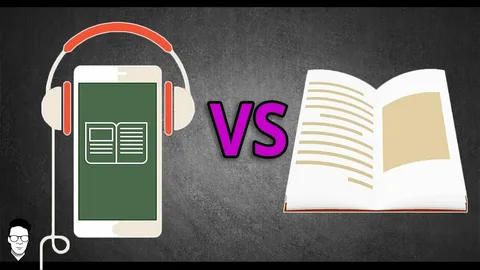
In recent years, the way we consume stories has undergone a quiet but powerful transformation. With the rise of digital platforms, storytelling is no longer limited to printed pages or fixed reading spaces. Äänikirjapalvelu muuttaa tapaa, jolla luemme tarinoita by shifting reading from a purely visual activity to an immersive, audio-driven experience that fits seamlessly into modern life.
The Shift from Reading to Listening
Traditional reading requires time, focus, and often a quiet environment. Audiobook services challenge this norm by allowing stories to accompany us anywhere—during commutes, workouts, household chores, or evening walks. This shift does not replace reading; instead, it expands it. Listening engages different cognitive pathways, making stories feel more conversational and, in many cases, more emotionally resonant.
As people juggle increasingly busy schedules, the ability to “read” while multitasking has become a major advantage. This is one of the core reasons Äänikirjapalvelu muuttaa tapaa, jolla luemme tarinoita for millions of listeners worldwide.
Accessibility and Inclusivity in Storytelling
One of the most meaningful impacts of audiobook services is improved accessibility. For individuals with visual impairments, learning differences such as dyslexia, or age-related challenges, audiobooks open doors that traditional formats may partially close. Stories become more inclusive, ensuring that literature is not restricted by physical or cognitive barriers.
Additionally, audiobooks support language learners by exposing them to pronunciation, rhythm, and tone in a natural context. Professional narration brings characters and settings to life, often enhancing comprehension and enjoyment beyond what text alone can provide.
A New Relationship with Authors and Narrators
Audiobook platforms have also changed the relationship between audiences, authors, and narrators. A skilled narrator can add depth, emotion, and personality to a story, sometimes becoming as memorable as the characters themselves. In some cases, authors even narrate their own works, offering listeners a uniquely personal experience.
Through this blend of voice acting and literature, Äänikirjapalvelu muuttaa tapaa, jolla luemme tarinoita by turning stories into performances rather than silent texts.
The Future of Reading Culture
The rise of audiobooks does not signal the decline of printed books. Instead, it reflects an evolving reading culture that values flexibility, accessibility, and diverse experiences. Many readers now switch fluidly between formats—reading a paperback at night and listening to the same book during the day.
As technology continues to develop, audiobook services will likely become even more interactive and personalized. What remains constant is our timeless love for stories—only the way we experience them is changing.
