



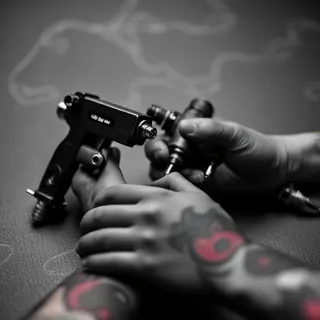
Tattooing has been an art form for centuries, with its roots stretching deep into human history. Over time, the tools used for tattooing have undergone significant transformations. The tattoo gun, an indispensable piece of equipment for modern tattoo artists, has evolved from simple machines to highly sophisticated instruments. In this article, we will explore the history and development of the tattoo gun, from its humble beginnings to the high-tech machines used in studios today.
The Birth of the Tattoo Gun
The First Tattoo Machines: A Revolution in Body Art
The origins of the modern tattoo gun can be traced back to the early 20th century. The first tattoo machine, created by Samuel O’Reilly in 1891, was based on the design of an electric pen invented by Thomas Edison. O’Reilly’s machine was a significant breakthrough in the tattoo industry, as it allowed for faster and more efficient tattooing compared to manual methods used previously, such as hand-poked tattoos. This new electric device transformed tattooing into a more accessible and professional practice.
How Early Tattoo Guns Worked
Early tattoo guns were relatively simple devices. They utilized a coil-based electromagnetic mechanism that controlled the movement of a needle. This needle would puncture the skin and inject ink into the dermis, creating permanent designs. Although the technology was rudimentary compared to today’s standards, it set the stage for the tattoo gun’s evolution into a more refined tool.
The Development of the Tattoo Gun Over the Years
Advancements in Tattoo Gun Design
Over the decades, tattoo gun technology continued to evolve. While Samuel O’Reilly’s original design remained the foundation for many years, innovations gradually improved the quality, efficiency, and comfort of tattoo machines. By the 1950s and 1960s, tattoo artists began to modify machines to suit their personal preferences and styles, leading to a greater variety of machines.
One of the most significant improvements came in the form of the rotary tattoo gun. Unlike the traditional coil machines, rotary tattoo machines used a motor and gears to move the needle. This design offered a quieter, smoother, and more consistent motion, making it easier for artists to create finer details and smoother shading.
The Influence of Technology on Tattoo Machines
The introduction of modern materials like lightweight aluminum and stainless steel further improved the functionality of tattoo guns. With the advent of more powerful motors and ergonomic designs, tattoo guns became lighter and more comfortable for artists to use for extended periods. This shift in design enabled greater precision and reduced hand fatigue, making tattooing more accessible to both professionals and beginners.
The Modern Tattoo Gun: Features and Innovations
Wireless Tattoo Guns: A New Era in Tattooing
In recent years, one of the most notable advancements in tattoo gun technology has been the development of wireless machines. These devices, which rely on rechargeable batteries, offer unparalleled freedom of movement for artists. Without being tethered to a power cord, tattoo artists can work more fluidly and focus entirely on their craft. Wireless tattoo guns are not only more efficient but also allow for greater precision, especially in areas of the body that require delicate or intricate work.
Adjustable Settings for Customization
Modern tattoo guns come equipped with adjustable settings, allowing tattoo artists to customize the machine to suit the specific needs of their designs. These settings include needle depth, speed, and power, providing artists with the flexibility to create a variety of styles, from fine line work to bold color tattoos. The ability to tweak these parameters ensures a level of control that was once unimaginable with earlier machines.
Improved Safety and Hygiene
Advances in safety and hygiene have also been a focal point of tattoo gun innovation. Modern machines are designed with more effective sterilization processes in mind, which is crucial for ensuring a safe and clean environment for both artists and clients. Many contemporary tattoo guns feature disposable grips and needle cartridges, reducing the risk of cross-contamination and improving overall safety during the tattooing process.
Conclusion: The Future of the Tattoo Gun
The tattoo gun has come a long way since its inception. From the first rudimentary machines to the high-tech, customizable tools used by artists today, the evolution of the tattoo gun has played a crucial role in shaping the tattoo industry. As technology continues to advance, we can only imagine what innovations lie ahead in the world of tattooing.
