



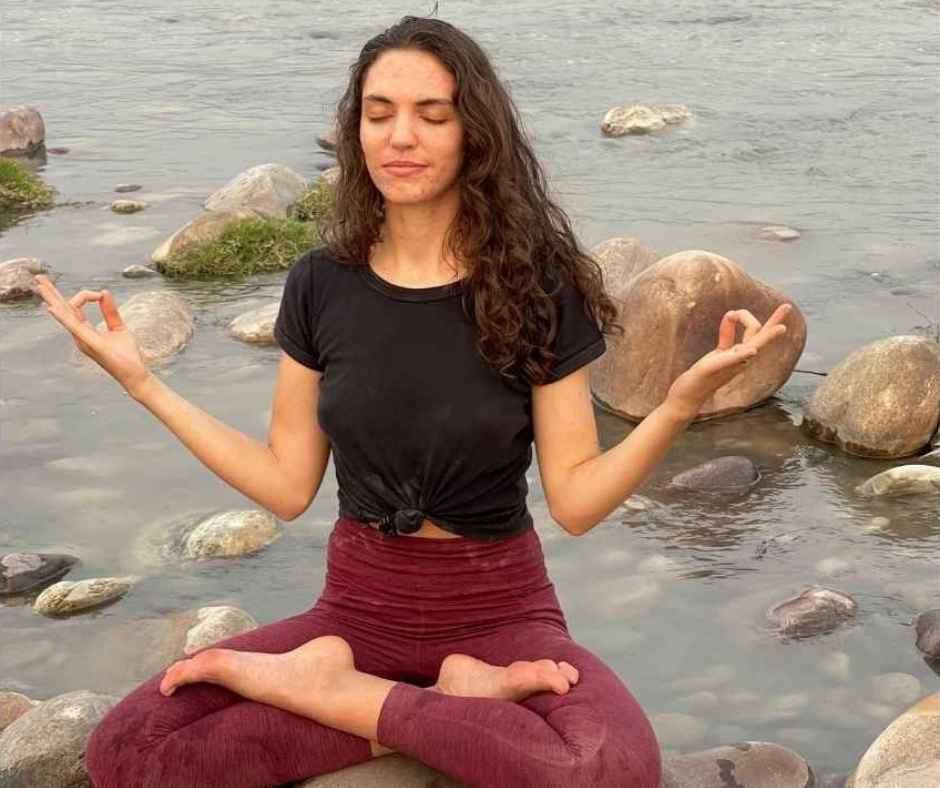
Oxidative stress is a lurking cause of inflammation, premature aging, immune suppression and chronic disease. Our bodies are more exposed to pollution, processed food and fast lives than ever before – all this forces our body into excessive oxidative stress. One of the most potent natural means to fight this damage is Pranayama – the thousand y.o. yogic method of conscious breathing.
As such, many of the classic programs like real 200 hour yoga teacher training in India make pranayama a foundational practice due to its long lasting ability to impact cellular and mental health. Recent research is affirming what yogic science has known for thousands of years: Breath has power to impact the body on a biochemical level.
What Is Oxidative Stress?
Oxidative stress happens when harmful free radicals outnumber the body’s antioxidants. When this balance is disturbed, it can lead to:
- Inflammation
- Fatigue and brain fog
- Early aging
- Hormonal imbalance
- Weakened immunity
- Chronic disease
Stress, poor diet, lack of sleep, and environmental toxins all increase oxidative damage—making pranayama more important than ever.
How Pranayama Reduces Oxidative Stress
Below are the key science-backed benefits.
-
Improves Oxygen Efficiency
Most people breathe shallowly, limiting oxygen supply to cells. Pranayama retrains the respiratory system to breathe deeply and efficiently, which:
- Enhances oxygen absorption
- Improves lung capacity
- Reduces free radical production
Advanced breathing techniques, often introduced in yoga teacher training in India, help practitioners optimize oxygen use in everyday life.
-
Activates the Parasympathetic Nervous System
Chronic stress elevates cortisol, a major driver of oxidative stress. Techniques like:
- Nadi Shodhana
- Ujjayi
- Bhramari
stimulate the parasympathetic system (“rest and digest”), lowering cortisol levels and reducing stress-induced damage.
-
Boosts the Body’s Natural Antioxidants
Studies show regular pranayama increases antioxidant enzymes like:
- Superoxide dismutase (SOD)
- Glutathione
- Catalase
These antioxidants neutralize free radicals and support cellular repair.
-
Enhances Mitochondrial Function
Mitochondria are responsible for producing energy. When they’re healthy, the body generates fewer free radicals. Deep breathing improves mitochondrial efficiency and supports healthy cell function.
-
Supports Respiratory Detoxification
Up to 70% of bodily toxins leave through the breath. Pranayama improves exhalation strength, helping the body remove:
- Carbon dioxide
- Toxins
- Stagnant air from the lungs
Better detoxification results in lower oxidative damage.
-
Reduces Internal Inflammation
Inflammation and oxidative stress are deeply connected. Pranayama lowers inflammatory markers by:
- Calming the nervous system
- Improving circulation
- Reducing sympathetic activity
This creates a healthier internal environment.
Most Effective Pranayama Techniques for Reducing Oxidative Stress
-
Nadi Shodhana (Alternate Nostril Breathing)
Balances the mind, lowers stress, and improves oxygen exchange.
-
Bhramari (Humming Bee Breath)
Produces soothing vibrations that reduce inflammatory responses.
-
Kapalabhati (Skull-Shining Breath)
Improves metabolism and lung function.
Avoid if pregnant or dealing with hypertension.
-
Ujjayi Breath
Enhances endurance, thyroid balance, and mindfulness.
-
Diaphragmatic Breathing
Strengthens respiratory muscles and boosts cellular oxygenation.
These practices form the foundation of many advanced modules in yoga teacher training in India, where students learn both the science and subtlety behind breathwork.
Lifestyle Tips to Maximize the Benefits of Pranayama
Combine pranayama with these habits for better results:
- Eat antioxidant-rich foods
- Prioritize sleep
- Drink warm water
- Reduce sugar and processed foods
- Include regular physical movement
Who Can Benefit From Pranayama?
- Anyone experiencing chronic stress
- Individuals with fatigue, low immunity, or brain fog
- Those exposed to pollution
- People seeking mental clarity
- Yoga practitioners at all levels
Even 10 minutes daily can show measurable improvements.
Final Thoughts
Pranayama is one of the most accessible tools for reducing oxidative stress and supporting long-term health. By improving oxygen flow, enhancing detoxification, reducing cortisol, and increasing antioxidant activity, pranayama protects the body at a cellular level.
Whether you’re a beginner or someone exploring yoga more deeply—perhaps through a yoga teacher training in India — understanding pranayama can transform your physical, mental, and emotional well-being from the inside out.
