



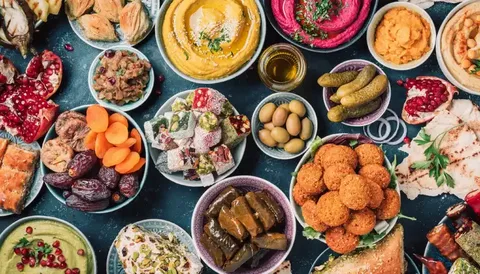
Middle Eastern cuisine is a vibrant and diverse tapestry of flavors, colors, and textures, with each dish telling a unique story of culture, history, and geography. From the warm spices of Morocco to the fresh herbs of Lebanon, Middle Eastern food offers an aromatic experience that captures the heart of the region. In this article, we will explore the rich flavors of Middle Eastern cuisine and take a journey through its time-honored traditions, revealing the key elements and iconic dishes that define this culinary heritage.
The Heart of Middle Eastern Cooking: Ingredients and Spices
One of the defining characteristics of Middle Eastern cuisine is its masterful use of spices and herbs. Many dishes are built on a foundation of aromatic seasonings such as cumin, coriander, turmeric, cinnamon, and cardamom. These spices bring depth, warmth, and complexity to the food, creating the signature flavors Middle Eastern cuisine is known for.
Key Ingredients in Middle Eastern Dishes
- Olive Oil: Essential to the Mediterranean diet, olive oil is a staple in Middle Eastern cooking. It is used for sautéing, dressing salads, and drizzling over dishes like hummus or tabbouleh.
- Tahini: Made from sesame seeds, tahini is a key ingredient in many Middle Eastern dishes, offering a creamy texture and nutty flavor. It’s found in dishes like hummus, baba ganoush, and halva.
- Yogurt: Thick and tangy yogurt is commonly used in dips, marinades, and sauces. It adds a cooling contrast to spicy dishes.
- Legumes: Chickpeas and lentils are staples in the Middle Eastern diet, often used in stews, salads, and as the base for dishes like falafel and hummus.
Signature Spices and Herbs
Middle Eastern food would not be complete without its signature spices and herbs. Some of the most popular include:
- Za’atar: A blend of thyme, sumac, sesame seeds, and salt, Za’atar is often sprinkled over bread, meats, and vegetables.
- Sumac: This tangy, red spice is often used to add brightness to salads and grilled meats.
- Saffron: Known for its luxurious and floral flavor, saffron is used in pilafs, rice dishes, and stews.
Exploring Iconic Dishes: A Taste of Tradition
Middle Eastern cuisine offers a wide variety of dishes, each reflecting the cultural diversity and rich history of the region. Here are some iconic dishes that have become beloved around the world:
1. Hummus: A Global Favorite
Hummus is perhaps the most well-known Middle Eastern dish globally. Made from mashed chickpeas, tahini, lemon juice, and garlic, it is served as a dip, spread, or side dish. Hummus is a symbol of the region’s hospitality and is often paired with warm pita bread, vegetables, or olives.
2. Falafel: Crispy, Flavorful, and Nutritious
Falafel are deep-fried balls made from ground chickpeas or fava beans, mixed with herbs and spices like garlic, parsley, and cumin. Crispy on the outside and tender on the inside, falafel is a staple street food throughout the Middle East. It’s commonly served in pita bread with salad, pickles, and tahini sauce.
3. Shawarma: Savory and Satisfying
Shawarma is a popular street food made from marinated meat (usually lamb, chicken, or beef) that is slow-cooked on a vertical rotisserie. The meat is thinly sliced and served in a pita or flatbread with a variety of toppings, such as garlic sauce, pickles, and tomatoes. The combination of tender meat and rich spices makes shawarma a favorite across the Middle East.
4. Tabbouleh: Fresh and Zesty Salad
Tabbouleh is a refreshing salad made from parsley, tomatoes, bulgur wheat, mint, and olive oil, with a tangy lemon dressing. It is light yet flavorful, offering a burst of freshness that complements heavier dishes like kebabs and stews.
The Tradition Behind Middle Eastern Cuisine
Middle Eastern cuisine is deeply rooted in history and tradition. The region’s cuisine has been shaped by ancient cultures, including the Egyptians, Persians, Greeks, Romans, and Arabs. Each of these civilizations has contributed unique elements to the culinary landscape, creating a cuisine that is both diverse and unified in its use of fresh ingredients and bold flavors.
Food as an Expression of Hospitality
In Middle Eastern culture, food is more than just sustenance; it is an expression of hospitality, generosity, and community. Sharing meals is an integral part of family gatherings and celebrations, with dishes often prepared in large quantities to feed many people. It’s not uncommon for a host to go above and beyond to ensure that guests are well-fed and well-loved.
The Role of Festivals and Feasts
Many Middle Eastern dishes are tied to specific religious or cultural celebrations. For instance, during the holy month of Ramadan, special meals like iftar (the meal to break the fast) include dishes like dates, soup, and hearty stews. Similarly, Eid celebrations are marked with feasts that feature rich, flavorful dishes, such as kebabs, pilafs, and sweet pastries like baklava.
Conclusion: A Flavorful Journey
Exploring the rich flavors of Middle Eastern cuisine is more than just a culinary adventure; it’s a journey through centuries of history, tradition, and culture. The combination of bold spices, fresh ingredients, and time-honored techniques creates a cuisine that is both deeply rooted in tradition and endlessly diverse. Whether you’re savoring a plate of hummus, enjoying a bite of shawarma, or indulging in a sweet dessert like baklava, Middle Eastern cuisine offers a taste of the region’s warmth, hospitality, and history. By embracing these flavors, you embark on a journey that connects you to the ancient traditions that continue to shape the culinary world today.
