



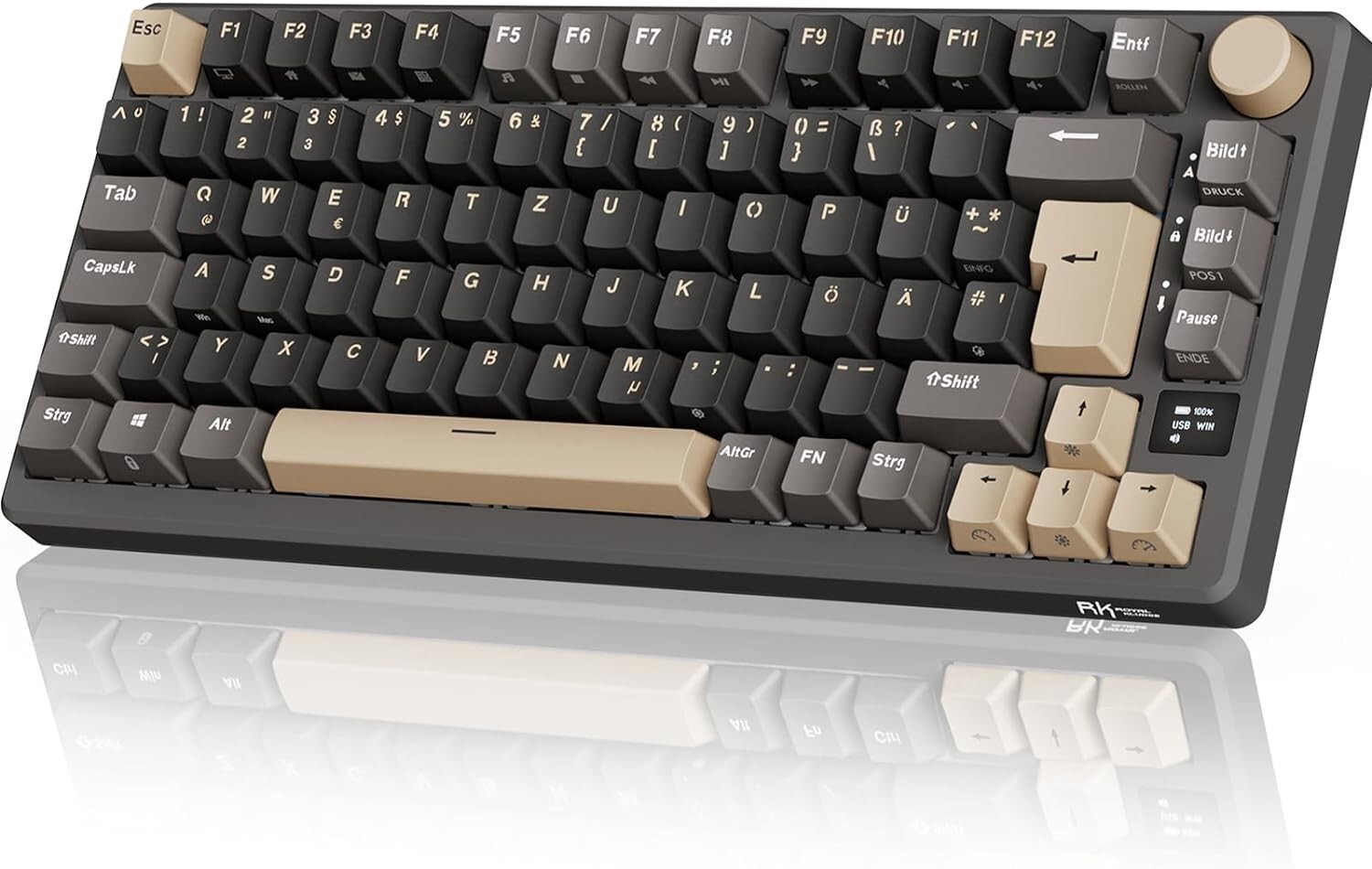
Custom keyboards have become increasingly popular among tech enthusiasts and gamers alike. Among the various layouts, the 75% keyboard offers an excellent balance between compactness and functionality. If you’ve ever wondered how to build your own custom 75 keyboard from scratch, this guide will walk you through the process step by step.
What is a 75% Keyboard?
Before diving into the build process, it’s important to understand what makes a 75% keyboard unique. A 75% keyboard typically includes 84–87 keys, retaining essential function keys and arrow keys while minimizing the overall footprint. This layout is ideal for users who want a smaller desk presence without sacrificing usability.
Components Needed for Your Custom 75 Keyboard
To successfully build a custom 75 keyboard from scratch, you’ll need the following components:
- Keyboard Case – Choose from materials like aluminum, plastic, or acrylic.
- PCB (Printed Circuit Board) – Ensure compatibility with the 75% layout.
- Switches – Mechanical switches based on your preference (tactile, linear, or clicky).
- Keycaps – Select keycap sets that match your aesthetic and typing feel.
- Stabilizers – Reduce wobble in larger keys like the spacebar and Enter.
- Tools – Soldering kit, keycap puller, switch opener, and screwdrivers.
Step-by-Step Guide to Building Your Keyboard
Step 1: Preparing the PCB and Case
Start by carefully placing the PCB into the keyboard case. Make sure it aligns with the mounting points. This ensures a stable foundation for your build.
Step 2: Installing Stabilizers
Install stabilizers on the larger keys. Lubing them can improve the typing experience by reducing noise and friction.
Step 3: Mounting the Switches
Insert your chosen switches into the PCB. Depending on your PCB, this may require soldering. Ensure each switch is firmly seated and aligned.
Step 4: Attaching Keycaps
Once all switches are in place, attach your keycaps. This is where your keyboard starts to take its final form and aesthetic appeal.
Step 5: Testing and Customizing
After assembly, connect your keyboard to a computer and test each key. Many custom 75 keyboards allow for firmware customization, so you can program macros, remap keys, or adjust lighting effects.
Tips for a Successful Build
- Take your time with soldering to avoid mistakes.
- Test stabilizers and switches before final assembly.
- Consider using hot-swappable PCBs if you want flexibility in changing switches later.
Conclusion
Building a custom 75 keyboard from scratch is a rewarding project that combines technical skill with personal expression. Not only do you get a functional tool tailored to your preferences, but you also gain the satisfaction of creating something truly unique. By following this guide, you’ll be well on your way to owning a stylish and efficient keyboard that suits your typing style perfectly.
