



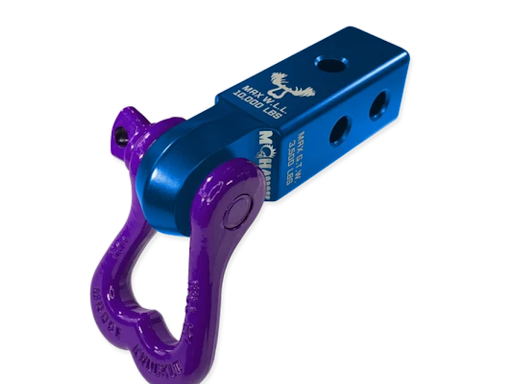
Off-road adventures can take you across rocky trails, muddy paths, sandy terrain, and uneven landscapes. While these conditions make outdoor driving exciting, they can also create situations where your vehicle needs assistance. Having dependable recovery equipment helps you prepare for unexpected challenges and approach difficult terrain with greater confidence.
A shackle hitch receiver provides a practical connection point for compatible vehicle recovery equipment. Whether you enjoy weekend trail rides or regularly travel through challenging environments, selecting the right recovery accessories is an important part of vehicle preparation.
Moose Knuckle Offroad offers off-road recovery equipment designed for drivers who value practical functionality, durability, and reliable equipment connections. Understanding how recovery components work can help you choose suitable accessories for your next outdoor adventure.
Understanding the Purpose of a Hitch-Mounted Recovery Point
A hitch-mounted recovery point is an accessory designed to fit into a compatible vehicle receiver. It provides an attachment location for appropriate recovery hardware when assisting a vehicle that has become stuck.
Unlike a standard towing ball, a purpose-built recovery attachment is intended for use with compatible recovery equipment, subject to the manufacturer’s specifications.
These accessories are particularly useful for vehicles equipped with suitable receiver systems. However, the presence of a receiver does not automatically mean the vehicle or hitch assembly is approved for recovery operations.
Before using any recovery attachment, confirm that the vehicle manufacturer, receiver manufacturer, and accessory manufacturer permit the intended application.
Why Quality Recovery Equipment Matters
Off-road recovery requires careful preparation because pulling forces can place considerable stress on equipment and vehicle attachment points.
Choosing properly rated accessories helps you assemble a recovery setup suited to your vehicle and the conditions you may encounter.
Durable Construction
Recovery accessories are commonly manufactured using strong metal components designed to withstand demanding applications.
Material quality, manufacturing methods, and product specifications all influence whether a component is suitable for a particular recovery task. Look for clearly stated load ratings and manufacturer instructions rather than relying on appearance alone.
Secure Equipment Connections
A properly designed recovery attachment provides a designated location for connecting compatible shackles or other approved recovery components.
Correctly matched equipment can help maintain a secure connection during an appropriately planned recovery. Every component should be inspected before use to identify damage, corrosion, deformation, or excessive wear.
Practical Vehicle Preparation
Keeping suitable recovery equipment available can make trail preparation more convenient. A compact recovery attachment can be stored with other essential equipment and installed when required, provided the manufacturer permits that installation method. Being prepared also means understanding how to use each component before encountering a difficult situation.
Important Features to Consider Before Buying
Not every recovery attachment is suitable for every vehicle. Understanding the following features can help you make a more informed purchasing decision.
Receiver Compatibility
Start by checking the dimensions and specifications of your vehicle’s receiver. Recovery attachments are manufactured for particular receiver sizes, and using an incompatible component can create unnecessary risks.
Confirm the receiver dimensions, attachment design, pin requirements, and any manufacturer restrictions before purchasing.
Working Load Specifications
Recovery equipment may display a working load limit, rated capacity, or other manufacturer-defined performance specification.
These ratings are not interchangeable, and they should never be treated as permission to exceed the limits of another component.
Review the applicable specifications for the attachment, receiver, vehicle, and connected recovery hardware. The entire setup must be appropriate for the intended recovery method.
Attachment Design
Some recovery attachments are designed to work with conventional metal shackles, while others may support specific soft-shackle configurations.
The attachment surface, opening dimensions, and connection geometry affect compatibility. For soft shackles, smooth contact surfaces and manufacturer-approved connection points are especially important to reduce the risk of abrasion or cutting.
Corrosion Resistance
Off-road vehicles frequently encounter moisture, mud, dust, and changing weather conditions. A protective finish can help reduce corrosion during normal use, although it does not eliminate the need for inspection and maintenance. Cleaning and drying your recovery accessories after trail use can help preserve their condition.
Choosing Between Soft and Metal Shackles
Recovery setups may use soft shackles or traditional metal shackles, depending on the equipment specifications and intended application. Understanding the differences can help you select suitable accessories.
Soft Shackles
Soft shackles are typically made from high-strength synthetic fibers and are valued for their relatively low weight and flexible construction. They are convenient to store and can be easier to handle than comparable metal hardware.
However, synthetic fibers can be damaged by sharp edges, abrasion, excessive heat, or improper loading. Always use soft shackles with approved attachment surfaces and follow the manufacturer’s care instructions.
Metal Shackles
Metal shackles are established recovery hardware commonly used in towing, lifting, and vehicle recovery applications when properly specified.Their rigid construction makes them suitable for certain connection arrangements.
However, compatibility, loading direction, pin security, and the manufacturer’s rated capacity remain essential considerations. Neither shackle type is automatically appropriate for every recovery situation. Your choice should reflect the equipment instructions and connection requirements.
Common Off-Road Situations That Require Recovery Preparation
Challenging terrain can affect traction and vehicle movement even when you drive carefully. Understanding common recovery situations can help you prepare suitable equipment before leaving paved roads.
Muddy Trails
Mud can reduce tire traction and cause a vehicle to become stuck. Recovery planning should consider ground conditions, vehicle position, available attachment points, and the safest approved recovery method.
Sandy Terrain
Loose sand can make forward movement difficult, particularly when tires begin digging into the surface.
Reducing unnecessary wheelspin and assessing the surrounding terrain may help prevent the situation from becoming more difficult.
Rocky Trails
Uneven rocks can leave a vehicle without sufficient traction or ground clearance. Before attempting recovery, inspect the vehicle’s position and consider whether moving it could cause additional damage.
Remote Outdoor Routes
Traveling away from populated areas makes preparation especially important. Carrying appropriate recovery accessories, communication equipment, and emergency supplies can help you respond more effectively when assistance is limited.
How to Maintain Your Recovery Accessories
Routine maintenance helps keep your equipment in suitable condition between off-road trips. After using your recovery accessories, remove accumulated dirt and inspect each component carefully.
Pay attention to contact surfaces, attachment openings, pins, and other areas that experience loading or friction. If you use synthetic recovery equipment, check for damaged fibers, cuts, excessive abrasion, or signs of heat exposure.
Store clean, dry equipment in a suitable location away from unnecessary moisture and damaging conditions. Replace components that show signs of damage or fail to meet the manufacturer’s inspection requirements.
Safety Practices for Vehicle Recovery
Recovery operations involve significant forces, making careful planning essential. Before attempting any recovery, assess the terrain, vehicle condition, recovery direction, and equipment compatibility.
Use only manufacturer-approved attachment points and suitable recovery hardware. Keep bystanders outside the potential danger area, and never connect recovery equipment to an ordinary tow ball.
Avoid sudden loading or kinetic recovery techniques unless every component and attachment point is specifically approved for that method.When conditions are uncertain, professional recovery assistance may be the safer choice.
Prepare for Your Next Off-Road Adventure
Reliable recovery preparation begins with selecting equipment that matches your vehicle, understanding its limitations, and following proper safety practices. The right accessories can help you approach outdoor driving with greater confidence and better preparation. When choosing a shackle hitch receiver, consider compatibility, manufacturer ratings, connection design, and the recovery conditions you may encounter.
Moose Knuckle Offroad provides off-road recovery accessories for drivers seeking practical equipment for their outdoor adventures.
Business Information
Business Name: Moose Knuckle Offroad
Website: https://moose-knuckle.com/
