



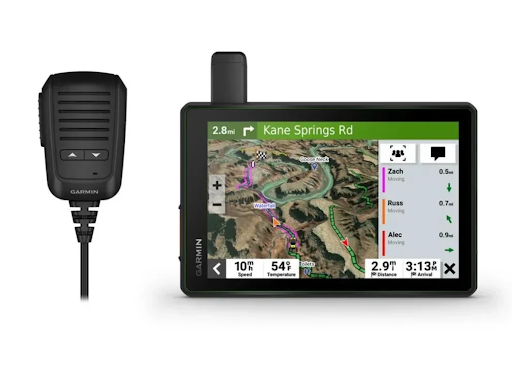
Outdoor adventures offer an opportunity to disconnect from everyday distractions and enjoy the natural world. Whether you are hiking remote trails, camping in the wilderness, or traveling through areas with limited cellular coverage, staying connected can be an important part of your preparation. The Garmin inReach Mini 2 provides satellite communication capabilities that help you maintain contact with loved ones and access essential safety features beyond traditional mobile coverage.
At Treal Performance, choosing suitable outdoor equipment starts with understanding your activities, your environment, and the features that support your plans.
Why Satellite Communication Matters Outdoors
Cellular service is convenient in towns, cities, and many established recreation areas. However, coverage can become unreliable when you travel into mountain ranges, dense forests, deserts, or remote backcountry locations. Losing access to your phone network can make it difficult to communicate with family members or request assistance when an unexpected situation occurs.
Satellite communicators provide another option for outdoor communication. Rather than depending on nearby cellular towers, compatible devices communicate through satellite networks, subject to their supported services and operating conditions.
This capability can be particularly valuable when your plans involve remote destinations. Having a dedicated communication device also encourages you to prepare for emergencies before leaving an area with reliable service.
Before any trip, review your route, weather conditions, available communication options, and emergency procedures. Technology can support your preparation, but sound judgment and appropriate equipment remain essential.
Understanding the Garmin inReach Mini 2 Features
The Garmin inReach Mini 2 is a compact satellite communicator designed for outdoor users who want communication and navigation support without carrying a large device.
Its small form makes it suitable for activities where pack space and carried weight matter. You can keep it accessible in your backpack or attach it securely using a compatible carrying solution.
Two-Way Satellite Messaging
Two-way messaging allows you to send and receive messages through the supported satellite network when you have an active subscription and suitable satellite connectivity.
This feature can help you share updates with family members, communicate with travel companions, or coordinate changes to your plans. For example, if your hike takes longer than expected, you may be able to send a message explaining your revised arrival time without relying on cellular reception.
Messaging also provides an opportunity to communicate relevant information during an unexpected delay. However, message delivery depends on factors such as satellite visibility, device conditions, and service availability.
Interactive SOS Functionality
Emergency preparedness is an important consideration whenever you travel beyond reliable communication coverage. The device includes an interactive SOS feature that can connect you with Garmin Response, a 24-hour emergency coordination center, through the supported satellite service.
When an emergency occurs, the SOS function allows you to communicate relevant information with responders, subject to connectivity and service requirements. This can help provide context about your situation and support coordination with appropriate emergency resources.
An SOS device should never replace careful planning, first-aid knowledge, or an understanding of local rescue procedures. Before departure, learn how the emergency function works, review the applicable subscription requirements, and follow the manufacturer’s instructions for testing and use.
Navigation and TracBack Routing
Navigation is another important consideration when traveling through unfamiliar terrain. The device supports GPS-based navigation features that can assist with tracking your position and following a recorded route.
Its TracBack routing feature is designed to help you navigate back along your recorded track. This can be useful when you need to retrace your steps rather than continue into unfamiliar surroundings.
However, electronic navigation should complement, rather than replace, map-reading skills and other appropriate navigation tools. Carry suitable maps, understand the terrain, and maintain awareness of changing conditions throughout your trip.
Outdoor Activities That Can Benefit From Satellite Communication
A satellite communicator can serve different purposes depending on your outdoor interests and travel style.
Hiking and Backpacking
Remote hiking routes may pass through valleys, forests, and mountainous areas where mobile reception is inconsistent. Satellite messaging can help you maintain contact with someone outside your group while navigation features provide additional route support.
Before setting out, share your itinerary with a trusted contact and establish a check-in plan. This gives someone a clearer understanding of your expected route and return time.
Camping in Remote Locations
Backcountry camping often involves spending several days away from developed facilities. A satellite communicator provides an additional communication option when cellular service is unavailable.
You can use messaging to share trip updates or communicate changes to your plans when conditions permit. Pair the device with suitable lighting, shelter, water supplies, and emergency equipment to prepare for the demands of your destination.
Overlanding and Off-Road Travel
Overlanding trips and off-road excursions can take you across isolated terrain, including areas far from established roads and populated communities. Communication equipment becomes particularly relevant when traveling through locations where roadside assistance and cellular coverage may be limited.
A compact satellite communicator can complement your vehicle’s recovery gear, navigation equipment, and emergency supplies. Before departure, check your route, vehicle condition, fuel requirements, and available assistance options.
Fishing and Other Remote Recreation
Fishing trips, trail running, hunting, and other outdoor pursuits may also take you beyond reliable mobile coverage. The suitability of a satellite communicator depends on the environment, the length of your outing, and your communication needs.
Consider how often you travel alone, how far you venture from developed areas, and whether you need two-way messaging or emergency communication capabilities.
What to Consider Before Choosing a Satellite Communicator
Selecting outdoor communication equipment involves more than comparing size or appearance. A few practical considerations can help you determine whether a device fits your requirements.
Communication requirements: Decide whether you need two-way messaging, location sharing, navigation assistance, or emergency coordination. Check which functions require an active subscription.
Battery management: Review the manufacturer’s battery specifications and consider how frequently you expect to send messages, track your route, and use other features. Actual battery life varies with settings, usage, environmental conditions, and satellite connectivity. Carry a suitable charging solution for longer trips.
Satellite visibility: Satellite communication generally works best with a clear view of the sky. Deep canyons, dense vegetation, and surrounding terrain can interfere with connectivity or delay message delivery. Choose suitable stopping points when communication is important.
Device compatibility: Review the supported smartphone pairing requirements, operating system compatibility, and available applications. Check whether the features you intend to use require a connected phone or can operate directly through the device.
Subscription and service coverage: Satellite communication services may require an active plan. Confirm current subscription options, supported countries, service terms, and emergency coverage before traveling.
Carrying and protection: Consider where you will store the device and how you will protect it from impacts, moisture, and other outdoor conditions. Keep it accessible enough to use when necessary, and follow the manufacturer’s care instructions.
These considerations help you select equipment that suits your itinerary instead of relying on features you may not need.
Preparing Your Device Before Leaving Home
Good preparation helps you get more from your outdoor communication equipment. Start by reading the manufacturer’s instructions and completing the initial setup in an area with reliable connectivity.
Pair the device with a compatible smartphone if you plan to use supported companion features. Set up the required accounts and subscription, review your contact information, and learn how to send messages and activate the emergency function.
Next, check your planned route and familiarize yourself with the navigation features. Practice using the controls before entering remote terrain so you are not learning unfamiliar functions under pressure.
Charge the device fully and bring an appropriate power source for your trip. Review expected weather conditions, establish a communication schedule with a trusted contact, and explain what that person should do if you miss an agreed check-in.
Finally, remember that communication equipment works best as part of a broader safety plan. Carry appropriate clothing, food, water, first-aid supplies, and navigation tools for your activity and destination.
Make Every Outdoor Trip More Prepared
Reliable preparation gives you greater confidence when traveling beyond familiar roads and dependable cellular coverage. Choosing equipment that supports communication, navigation, and emergency readiness can help you approach outdoor adventures with a clearer plan. The Garmin inReach Mini 2 offers satellite messaging and navigation features that can support your outdoor safety preparations.
Before your next trip, consider the terrain, expected duration, communication requirements, and safety resources available along your route. Review the specifications and service requirements of any satellite communicator carefully to ensure it meets your needs.
For your next equipment decision, Treal Performance can be a starting point for reviewing relevant outdoor and powersports products.
Business Information:
Business Name: Treal Performance
Address: 2625 NE 65th Ave B101
Vancouver, WA 98661
United States
Phone: (360) 314-2580
Email: [email protected]
Business Hours: Monday–Friday: 9:00 AM – 5:00 PM PST
Website: https://trealperformance.com/
