



Off road vehicles are built to explore terrain that standard road-going vehicles may struggle to handle, from rocky trails and steep inclines to muddy tracks and remote backcountry routes. However, getting the most from an off-road vehicle requires more than choosing a capable model. Proper maintenance, carefully selected upgrades, and a setup suited to your driving conditions all play important roles in performance and reliability.
Whether you are preparing a truck for weekend trail riding, building a Jeep for rock crawling, or equipping a four-wheel-drive vehicle for extended overlanding trips, Apex Offroad can help you explore upgrades suited to your vehicle and driving goals. Understanding how different components work together can help you make smarter decisions. A well-planned build focuses on practical capability, dependable handling, and long-term usability rather than modifications that simply change the vehicle’s appearance.
Understanding What Off Road Vehicles Need
Off-road driving places different demands on a vehicle than everyday commuting. Uneven surfaces, loose gravel, rocks, mud, and steep gradients can challenge the suspension, tires, drivetrain, and underbody protection.
The right equipment depends on where and how you plan to drive. A vehicle designed for rocky technical trails may need different upgrades from one used for desert routes or long-distance overlanding. Identifying your primary driving conditions before purchasing modifications helps prevent unnecessary expenses and incompatible components.
It is also important to consider how the vehicle will be used between adventures. Many off-road enthusiasts rely on the same truck or SUV for commuting, towing, and family transportation. A practical build should account for these everyday responsibilities while improving performance on the trail.
Choose Suspension Upgrades That Match Your Driving Style
Suspension affects ride quality, wheel movement, ground clearance, and how a vehicle responds to uneven terrain. Choosing the right setup can improve control and help maintain tire contact with the ground when driving over obstacles.
A lift kit can provide additional clearance for certain obstacles and create room for larger tires, but more lift is not automatically better. Excessive or poorly planned suspension changes can affect handling, steering geometry, driveline angles, and component wear.
Before selecting an upgrade, consider the vehicle’s intended use, typical cargo weight, tire size, and the balance between off-road capability and everyday comfort. The quality of the installation and the alignment afterward are equally important.
We help drivers evaluate suspension options according to their vehicle and intended use. Our suspension services focus on building setups that support the demands of off-road driving while considering how the vehicle needs to perform on regular roads.
Select Wheels and Tires for the Terrain
Tires are among the most influential components on off-road vehicles because they directly affect traction, braking, steering response, and ride behavior. Choosing the right tire involves understanding the surfaces you encounter most often rather than automatically selecting the most aggressive tread available.
All-terrain tires can offer a practical balance for drivers who split their time between highways and dirt roads. Mud-terrain tires are designed for conditions where more aggressive tread can help clear mud and improve traction, although they may produce more road noise and different handling characteristics on pavement.
Wheel selection matters, too. Wheel diameter, width, offset, and tire dimensions must be compatible with the vehicle’s suspension, brakes, and available clearance. Incorrect fitment can contribute to rubbing, altered steering behavior, or unnecessary strain on components.
A professional wheel and tire assessment can help you compare options based on your terrain, driving habits, and vehicle specifications. We offer wheel and tire solutions intended to complement the rest of your build rather than treating tire selection as an isolated upgrade.
Understand Gearing Before Installing Larger Tires
Larger tires can change how a vehicle accelerates, climbs hills, and maintains engine performance under load. Because taller tires effectively alter the overall gearing, a vehicle may feel less responsive after a significant increase in tire size.
Re-gearing can help restore a more suitable relationship between engine speed and wheel speed. The correct gear ratio depends on factors such as tire diameter, transmission, axle configuration, engine characteristics, vehicle weight, and driving conditions.
Drivers who frequently tow, travel through mountainous terrain, or carry camping equipment may have different gearing requirements from those who use their vehicles mainly for short recreational trips.
Before changing tire size or drivetrain components, consider the entire setup together. Our gearing services help drivers evaluate appropriate gear ratios for their builds, including vehicles that have received larger tires or other performance modifications.
Protect the Underbody and Essential Components
Rocks, branches, ruts, and uneven terrain can expose vulnerable areas underneath a vehicle. Depending on the vehicle and the trails you use, underbody protection may help reduce the risk of damage to components such as the engine oil pan, transmission, transfer case, and other exposed systems.
Skid plates, suitable bumpers, and rock sliders can protect in specific situations. However, their benefits depend on their design, mounting points, material, and compatibility with the vehicle.
Weight should also be considered. Heavy accessories can increase overall vehicle mass, influence suspension performance, and reduce available payload. A useful protection package balances coverage and durability with the vehicle’s intended purpose.
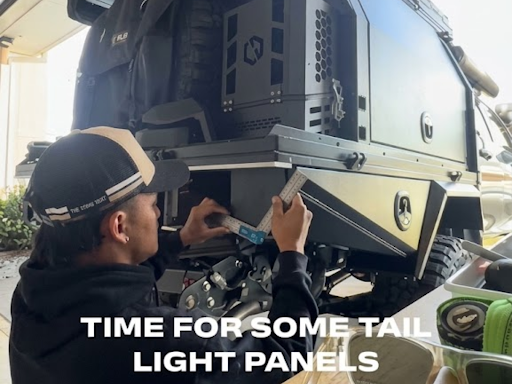
We provide accessory installation and fabrication services to help drivers equip their vehicles with components suited to their needs. Our goal is to make modifications practical and purposeful, with attention to fitment and the way each addition works with the existing setup.
Plan Electrical Accessories for Reliability
Modern off-road builds often include auxiliary lighting, winches, communication equipment, refrigerators, and other electrical accessories. These additions can improve convenience and support remote travel, but they also increase the demands placed on the vehicle’s electrical system.
Before installing new equipment, determine its power requirements and consider the vehicle’s battery capacity, alternator output, wiring, fusing, and intended usage. Accessories that draw substantial current may require dedicated circuits or additional power-management equipment.
Poorly routed wiring can be vulnerable to abrasion, heat, moisture, and movement. Correct installation helps reduce electrical faults and makes future troubleshooting easier.
Lighting upgrades should also be selected and positioned with consideration for visibility, other road users, and applicable regulations. Equipment intended for off-road use may be subject to different restrictions when driven on public roads.
Our wiring and accessory installation services help drivers integrate electrical equipment into their builds with attention to safe connections, reliable operation, and the vehicle’s overall requirements.
Maintain Your Vehicle Between Adventures
Even a well-equipped vehicle needs regular maintenance. Off-road driving can expose components to dust, mud, water, vibration, and impacts that may accelerate wear or reveal existing problems.
After a demanding trip, inspect the tires for cuts and unusual wear, check for fluid leaks, and look underneath the vehicle for signs of impact damage. Pay attention to changes in steering, braking, suspension noises, and drivetrain behavior.
Routine servicing should follow the vehicle manufacturer’s recommendations, with additional inspections when operating conditions justify them. Air filters, brakes, suspension components, wheel bearings, fluids, and drivetrain parts deserve particular attention when a vehicle regularly encounters harsh terrain.
It is also worth checking that accessories remain secure after repeated vibration. Loose mounting hardware, damaged wiring, or shifting cargo can create problems on subsequent trips.
If you notice persistent noises, steering changes, fluid loss, or other unusual symptoms, arrange a professional inspection rather than assuming the issue will resolve itself. Regular maintenance can help identify potential problems, address wear and tear, and prepare your vehicle for future off-road adventures.
Customize Your Build Around Real-World Needs
Customizing off road vehicles is most effective when every modification serves a clear purpose. A driver who spends weekends navigating rocky trails may prioritize clearance, suspension articulation, and underbody protection. Someone planning multi-day overlanding trips may focus more on secure storage, roof racks, bed racks, lighting, and dependable auxiliary power.
Custom fabrication can help address requirements that standard accessories do not fully accommodate. Depending on the vehicle and project, fabricated components may support equipment mounting, storage arrangements, or other specific build requirements.
However, custom work should be planned carefully. Material selection, mounting strength, clearances, weight distribution, and compatibility with existing systems all affect how a modification performs. Changes to vehicle structure or safety-related components should receive particular attention from qualified professionals.
Our fabrication and vehicle customization services help bring individual build requirements together. We also offer roof racks, bed racks, and other accessories that can support different approaches to off-road travel.
Prepare for the Trail Before You Leave
Vehicle modifications are only one part of a successful off-road trip. Preparation should also include route planning, weather checks, recovery equipment, communication options, and an understanding of the terrain.
Choose routes appropriate for your vehicle and experience, and check trail conditions and access restrictions before departure. Carry suitable recovery gear, understand how to use it safely, and avoid attempting obstacles that exceed your vehicle’s capabilities or your skill level.
Responsible off-roading also means staying on designated trails, respecting closures, securing loose equipment, packing out waste, and minimizing damage to surrounding terrain. Before setting out, inspect your tires, brakes, suspension, and essential fluids to identify potential problems. Good preparation helps protect everyone in your vehicle while supporting safer, more responsible adventures.
Build a More Capable Vehicle With the Right Expertise
Off road vehicles perform best when their major components work together. Suspension, tires, gearing, alignment, electrical accessories, and protective equipment all influence the driving experience, so changes should be planned as part of a complete setup.
The off-road vehicles that deliver dependable performance are not necessarily those with the most modifications, but those equipped for their actual purpose and maintained with care. By prioritizing compatibility, safe installation, and practical improvements, drivers can develop a build that supports both their adventures and everyday driving needs.
We help drivers in Boise, Idaho, plan and customize off-road builds through suspension services, gearing, wheel and tire upgrades, alignments, fabrication, wiring, accessory installation, and maintenance. Visit Apex Offroad to explore our services and discuss how we can help prepare your vehicle for the terrain ahead.
Apex Offroad
11483 W Fairview Ave, Boise, ID 83713
Phone: (208) 500-9476
Website: https://www.apexoffroadidaho.com/
