



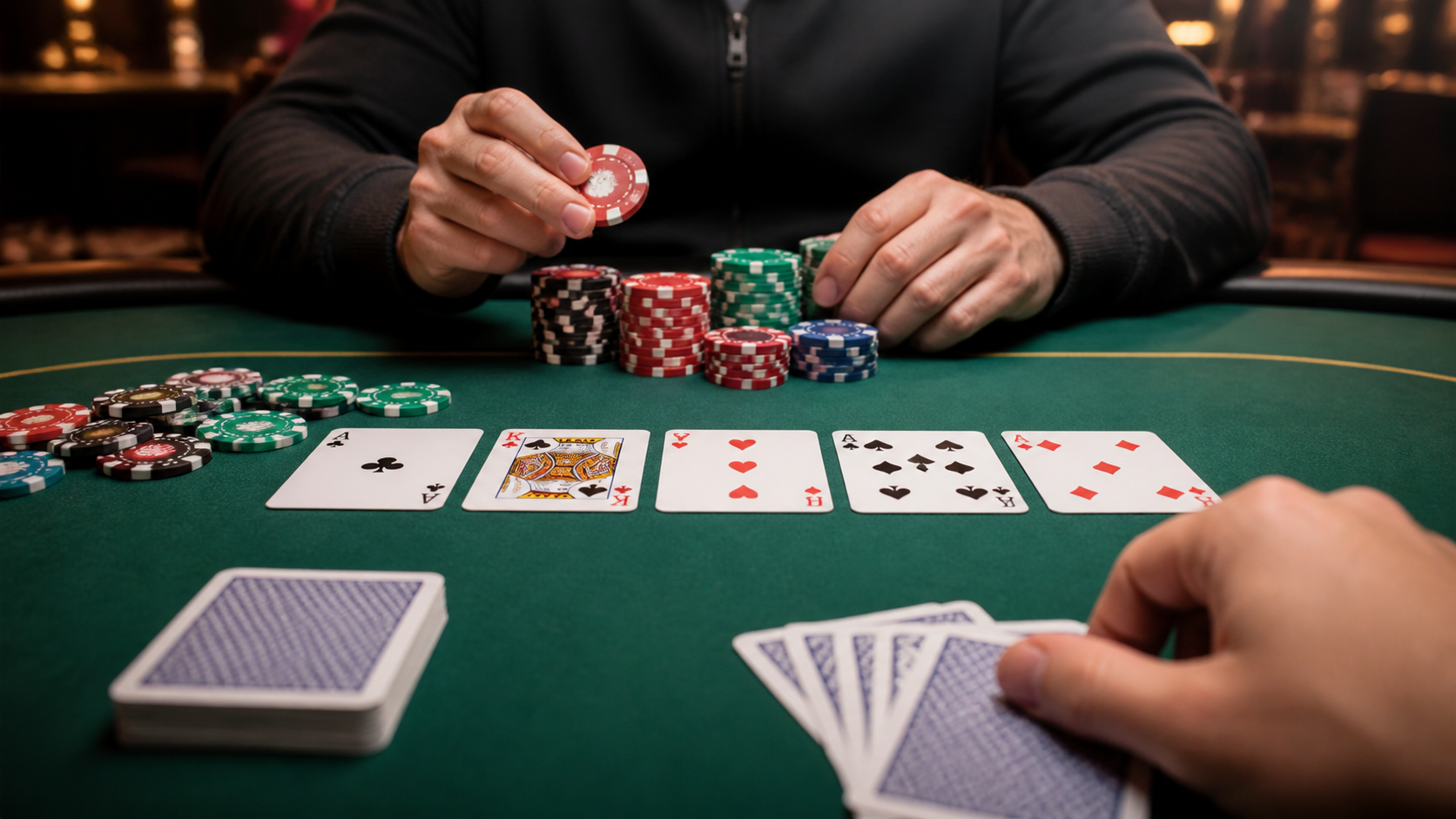
Real-money poker has a simple appeal: the game feels more focused when chips carry actual value, and every decision matters a little more. For many players, that added pressure makes the experience more engaging, but it also means the basics matter more than ever. Before sitting down at any table, it helps to understand how game selection, bankroll discipline, and table habits shape the overall experience.
That is why readers looking for โป๊กเกอร์ เงิน จริง often benefit from a clear, practical overview rather than hype. The goal is not to chase big promises or treat poker like a shortcut. Instead, the smarter approach is to understand the structure of the game, choose a suitable format, and make decisions that fit both your skill level and your comfort with risk.
What Real-Money Poker Changes About the Game
When poker involves actual stakes, the pace of decision-making becomes more deliberate. A hand is no longer only about winning chips on a screen or at a table; it is also about protecting your stack, reading opponents, and avoiding unnecessary mistakes. That does not mean the game must feel tense all the time, but it does mean the margin for careless play becomes smaller.
Real-money games also tend to attract a wider range of players. Some are there for entertainment, while others are studying the game closely and looking for long-term improvement. This mix creates both opportunity and risk. Opportunity comes from learning against different styles. Risk comes from assuming every table will be friendly or predictable. A thoughtful player adjusts expectations accordingly.
Another practical difference is pacing. In casual poker, people may treat every hand lightly. In real-money settings, even small decisions can affect your session. Folding a marginal hand, choosing a better seat, or leaving a table that no longer suits your style can matter more than trying to force action.
Choosing the Right Format for Your Style
Not every poker format suits every player. A good fit depends on how much time you have, how comfortable you are with variance, and whether you prefer short bursts or longer sessions. Some people like fast-paced games with frequent decisions. Others prefer a slower rhythm that gives them more room to observe opponents.
Cash Games vs. Tournaments
Cash games usually offer flexibility. You can join or leave more easily, and each chip has a direct value tied to the table. That makes them appealing to players who want control over session length. Tournaments, by contrast, often create a different kind of tension because stack preservation and payout structures affect every choice. They can be exciting, but they also demand patience.
If you are still learning, it is often useful to think about how each format handles risk. Cash games reward steady decision-making over time. Tournaments can reward survival and timing, but they may also involve more swings. Neither is automatically better. The better choice is the one that matches your temperament and your goals.
Table Size and Player Behavior
Table size also matters. Fewer players usually mean more hands and more frequent confrontations, which can suit those who like active play. Larger tables can feel calmer, but they may require more patience and sharper observation. In either case, pay attention to how the table behaves before committing to a long session.
Look for patterns such as loose betting, overly cautious play, or players who seem to chase every hand. These tendencies can shape your strategy. A good table selection process is not glamorous, but it often has a bigger effect on results than people expect.
Core Skills That Improve Real-Money Decisions
At the heart of poker is decision quality. Players often focus on individual hands, but the stronger habit is thinking about repeatable choices. The aim is to make the kind of decisions that hold up over many sessions, not just the kind that feel dramatic in the moment.
One of the most useful skills is observing betting patterns. How often does a player raise pre-flop? Do they slow down after missing the board? Are they aggressive only in certain positions? These details do not guarantee anything, but they help you build a more informed picture. Poker rewards attention, not guessing.
Position is another important factor. Acting later in a hand often gives you more information, which can help you decide whether to continue or step back. This is not a mysterious concept, but it is easy to overlook when a table becomes active. Good players keep position in mind without letting it dominate every choice.
- Play hands that fit the situation instead of forcing action.
- Watch how opponents bet across several hands, not just one.
- Respect position and use it to gather information.
- Avoid chasing losses by making rushed decisions.
- Leave room for learning rather than expecting instant mastery.
Patience is often underestimated. Many players know the rules but still struggle with impulse. In real-money poker, resisting the urge to play every hand can be just as important as knowing when to bet aggressively. The habit of waiting for favorable spots can improve your overall discipline, even when a session feels slow.
Bankroll Discipline and Practical Risk Control
Real-money poker is easier to enjoy when the money set aside for play is treated separately from everyday spending. That separation helps reduce emotional pressure and makes it less likely that a single session will affect your mood in an outsized way. Responsible bankroll habits do not remove variance, but they can make it much easier to handle.
A sensible approach is to choose stakes that feel comfortable rather than impressive. If a table size makes every decision feel stressful, it may be too high for your current comfort level. Playing within a range that leaves room for mistakes can help you learn more effectively. It also makes it easier to stay calm when the cards go against you.
Session planning helps as well. Decide in advance how long you want to play and what kind of mindset you need to bring to the table. That might sound basic, but it keeps poker from becoming an unstructured habit. Setting personal limits around time and spending can preserve the part of the game that is enjoyable while reducing avoidable frustration.
What to Look for in a Trustworthy Playing Experience
When you are comparing poker rooms or platforms, focus on practical signs rather than flashy promises. The right environment should make it easy to understand the rules, track your balance, and find the game types you actually want to play. A clean interface and straightforward navigation can matter more than promotional language.
It also helps to consider support quality, game variety, and the clarity of terms that affect withdrawals or account management. These details may not be exciting, but they shape the experience far more than many players realize. A clear process is usually easier to trust than a complicated one that relies on bold claims.
Signs of a Better User Experience
Look for a platform that presents game information clearly and does not overwhelm you with clutter. Players should be able to find tables, review rules, and manage settings without unnecessary friction. A stable experience is particularly useful if you want to focus on decision-making rather than fighting the interface.
Transparency also matters. If terms are hard to understand or the overall structure feels inconsistent, that is a reason to slow down and investigate further. Poker is already a game of information management, so the surrounding environment should not add avoidable confusion.
Responsible Habits That Keep Play Sustainable
Healthy play habits are not about fear; they are about control. Taking breaks, avoiding emotional play, and treating losses as part of variance can help keep the game in perspective. It is also wise to step away when attention fades, because tired decisions often cost more than bad luck does.
Responsible play also means understanding when the game no longer feels enjoyable. If poker starts to feel like pressure instead of recreation, it is worth pausing and reassessing your approach. The strongest players are not just aggressive or analytical. They are also disciplined enough to know when to stop.
Final Thoughts on Playing with Confidence
Real-money poker becomes more rewarding when it is approached as a skill-based game that still contains uncertainty. A good result rarely comes from luck alone, and it also rarely comes from forcing action. The stronger path is to combine careful table selection, patient decision-making, and sensible bankroll habits.
If you keep those foundations in place, the game becomes easier to navigate and more satisfying over time. That is the practical value of understanding โป๊กเกอร์ เงิน จริง in a serious but balanced way: it helps you focus on the parts you can influence and avoid the mistakes that make the experience harder than it needs to be.
