



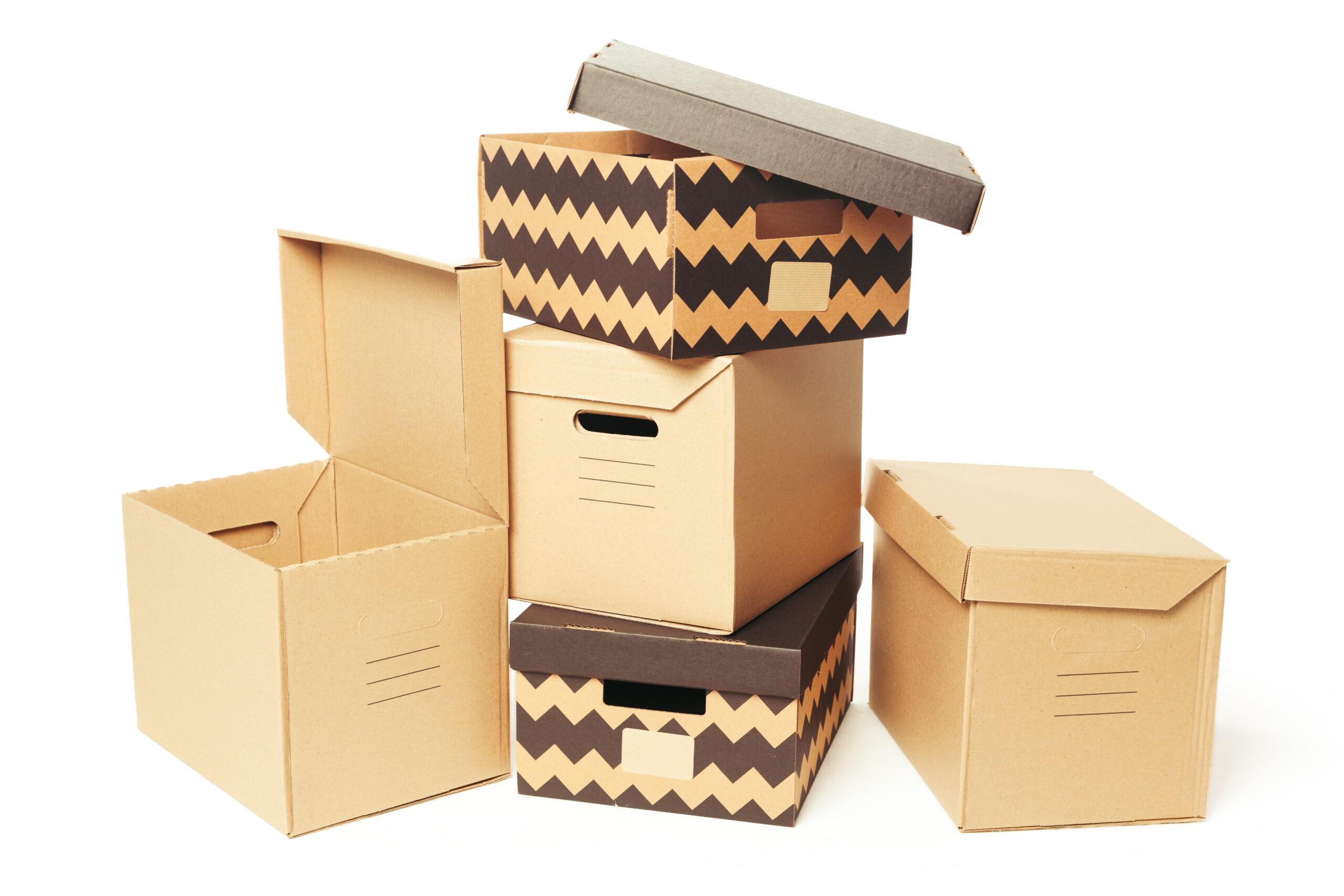
Choosing the right shipping boxes is one of the most important decisions for any business that ships products. The box you use affects product protection, shipping costs, customer satisfaction, and even your brand’s reputation. Whether you’re shipping lightweight apparel, fragile glassware, electronics, or heavy industrial parts, selecting the appropriate box ensures your products arrive safely while keeping packaging costs under control.
In this guide, we’ll explain everything you need to know about choosing the right shipping boxes, including box sizes, materials, strength ratings, and practical tips for different product types.
Why Choosing the Right Shipping Box Matters
Many businesses assume any cardboard box will do the job. In reality, using the wrong box can lead to:
- Damaged products
- Higher shipping costs
- Increased return rates
- Poor customer experience
- Wasted packaging materials
The right shipping box strikes a balance between protection, efficiency, and affordability.
Start by Understanding Your Product
Before selecting a shipping box, evaluate the item you’re sending.
Consider:
- Product dimensions
- Weight
- Fragility
- Shape
- Value
- Whether it’s moisture-sensitive
- Shipping distance
For example:
| Product | Packaging Needs |
| Clothing | Lightweight mailers or small corrugated boxes |
| Electronics | Double-wall boxes with protective cushioning |
| Glassware | Heavy-duty boxes with ample padding |
| Books | Small, rigid corrugated boxes |
| Industrial Parts | High-strength corrugated boxes |
Understanding your product helps narrow down the ideal packaging solution.
Choose the Correct Box Size
One of the most common packaging mistakes is using a box that’s too large.
Oversized boxes:
- Increase shipping costs
- Require more void fill
- Allow products to shift during transit
- Waste storage space
Boxes that are too small may:
- Compress the product
- Damage corners or edges
- Leave no room for cushioning materials
A good rule is to leave approximately 2 inches of space around fragile products for protective packaging.
Understand Corrugated Box Types
Most shipping boxes are made from corrugated cardboard rather than standard paperboard.
Corrugated boxes consist of:
- Outer liner
- Fluted middle layer
- Inner liner
The fluted layer provides strength and cushioning.
Single-Wall Boxes
Single-wall boxes contain one layer of fluting.
Best for:
- Clothing
- Toys
- Office supplies
- Books
- Household products
Advantages:
- Affordable
- Lightweight
- Easy to store
Double-Wall Boxes
Double-wall boxes contain two fluted layers.
Ideal for:
- Electronics
- Kitchen appliances
- Automotive parts
- Fragile products
Benefits:
- Better stacking strength
- Improved puncture resistance
- Extra protection
Triple-Wall Boxes
Triple-wall boxes provide maximum strength.
Commonly used for:
- Industrial equipment
- Heavy machinery
- Large automotive components
- Bulk shipments
Although more expensive, they significantly reduce damage during transit.
Check the Box Strength Rating
Not all shipping boxes are equally strong.
Two common ratings help determine box performance.
Edge Crush Test (ECT)
ECT measures how much stacking pressure a box can withstand.
Common ratings include:
- 32 ECT
- 44 ECT
- 48 ECT
Higher ratings are ideal for warehouse stacking and palletized shipments.
Burst Strength
Burst strength measures resistance to punctures and pressure.
Examples include:
- 200 lb
- 275 lb
- 350 lb
Heavy products generally require higher burst strength ratings.
Match the Box to Product Weight
Here’s a general guideline:
| Product Weight | Recommended Box |
| Under 10 lbs | Single-wall |
| 10–40 lbs | Heavy-duty single-wall or double-wall |
| 40–70 lbs | Double-wall |
| Over 70 lbs | Triple-wall or reinforced box |
Always verify the manufacturer’s weight recommendations.
Consider Shipping Distance
Products traveling across the country or internationally experience:
- Multiple transfers
- Conveyor systems
- Sorting facilities
- Truck vibration
- Air transport
- Warehouse stacking
Longer shipping routes require stronger packaging.
If your products travel thousands of miles, investing in better boxes often costs less than replacing damaged merchandise.
Don’t Forget Protective Packaging
A quality shipping box works best when combined with protective materials.
Common cushioning options include:
- Bubble wrap
- Foam inserts
- Air pillows
- Packing paper
- Corrugated inserts
- Packing peanuts
The goal is to prevent movement inside the box.
Think About Shipping Costs
Shipping carriers calculate pricing using:
- Weight
- Dimensions
- Destination
- Dimensional (DIM) weight
A box that’s larger than necessary increases dimensional weight charges.
Choosing the smallest box that safely fits your product helps reduce shipping expenses.
Consider Moisture Resistance
Products shipped during rainy seasons or stored in humid warehouses may need extra protection.
Options include:
- Poly liners
- Water-resistant coatings
- Plastic overwrap
- Moisture-resistant corrugated boxes
These features are especially valuable for electronics, paper goods, and food packaging.
Use Custom Shipping Boxes for Branding
Custom packaging offers more than visual appeal.
Benefits include:
- Professional appearance
- Better customer experience
- Increased brand recognition
- Marketing opportunities
- Easier product identification
Many businesses add:
- Company logo
- Brand colors
- QR codes
- Thank-you messages
- Social media information
Branded packaging helps create a memorable unboxing experience.
Choose Sustainable Packaging
Consumers increasingly value environmentally responsible packaging.
Look for shipping boxes that are:
- Made from recycled materials
- Fully recyclable
- Responsibly sourced
- Sized appropriately to reduce waste
Sustainable packaging can reduce environmental impact while appealing to eco-conscious customers.
Common Mistakes to Avoid
Avoid these packaging errors:
Using oversized boxes
This increases shipping costs and allows products to shift.
Ignoring box strength
Heavy products require stronger corrugated boxes.
Using damaged boxes
Previously crushed or weakened boxes offer less protection.
Skipping cushioning
Even the strongest box cannot prevent damage if the product moves freely.
Choosing the cheapest option
Low-cost boxes may result in expensive product returns and dissatisfied customers.
Tips for Different Industries
E-commerce
Use lightweight boxes sized specifically for each product category to minimize shipping costs.
Retail
Invest in branded boxes that enhance the customer experience and support repeat business.
Manufacturing
Choose high-strength corrugated boxes capable of handling heavy components and warehouse stacking.
Food and Beverage
Use food-safe packaging where required and protect products from moisture during transit.
Electronics
Combine double-wall boxes with foam inserts or molded packaging for maximum protection.
How to Know When It’s Time to Upgrade Your Shipping Boxes
You may need better packaging if you notice:
- Frequent customer complaints about damaged items
- Rising return rates
- Boxes collapsing during storage
- Excessive use of filler materials
- Increased shipping costs due to oversized packaging
Upgrading to better-sized, stronger boxes can improve efficiency and reduce long-term expenses.
Final Thoughts
Selecting the right shipping boxes is about more than simply finding a container that fits your product. The ideal box should provide the right combination of strength, size, durability, and cost-efficiency while protecting your products throughout the shipping journey. By considering factors such as product weight, dimensions, shipping distance, cushioning, and box strength, businesses can reduce damage, optimize shipping costs, and deliver a better customer experience.
Whether you’re shipping a few orders each week or managing high-volume fulfillment, investing in quality packaging is a smart business decision. Starboxes offers a wide range of reliable shipping boxes designed to meet the needs of e-commerce businesses, retailers, manufacturers, and industrial shippers, helping ensure your products arrive safely and professionally every time.
