



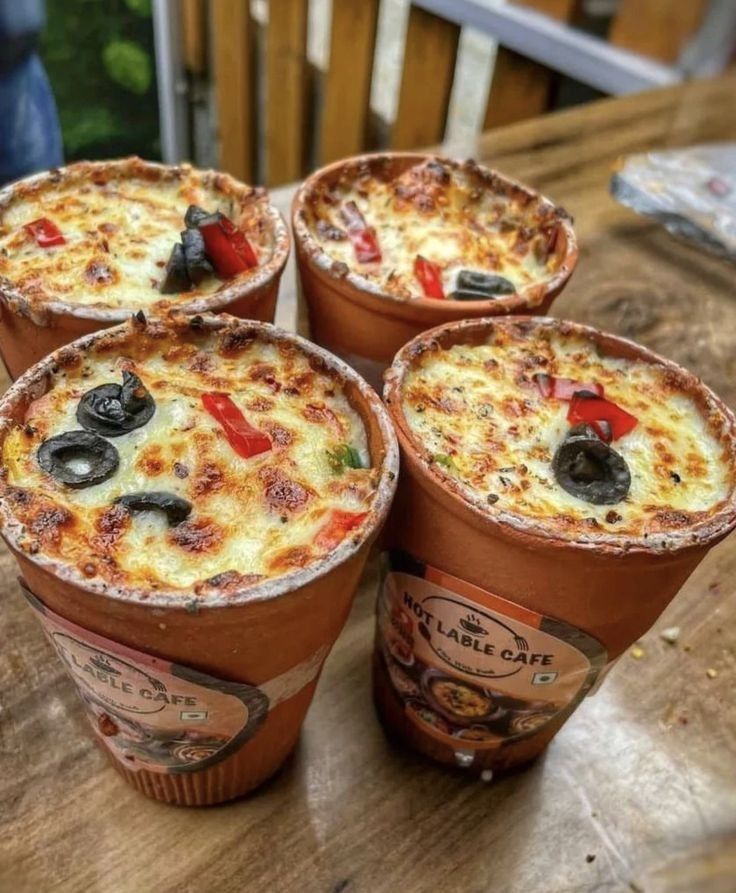
A memorable travel photograph often begins before the camera comes out. It might start with the smell of bread from a market stall, a cook explaining why a dish is eaten at a certain time of year, or the surprise of finding a familiar ingredient prepared in an unfamiliar way. Food gives travel stories a human scale: it connects a place’s landscape and history to the people who live there. With thoughtful reporting and a few practical photography habits, a meal can become the beginning of a story readers want to follow.
Look beyond the plate
Food photography can be beautiful, but a strong travel piece needs more than a close-up of a finished dish. Pay attention to where the food comes from and how it fits into daily life. Is the stall busiest before work? Does a family prepare a seasonal recipe together? Are ingredients gathered nearby, or brought in from another region? Details like these give an image context and help an accompanying story feel specific rather than interchangeable.
Spend time observing before you shoot. Ask permission when photographing people, particularly in intimate settings, and explain what you are doing. A quick conversation may reveal a useful detail, but avoid treating someone’s home or workplace as a set. Respectful access produces better photographs and a more honest account of the experience.
Build a visual sequence
A collection of attractive food images is not always a story. Think in sequences: an establishing frame that shows the setting, a medium shot of the preparation, close details of texture or tools, and a final image that captures the meal being shared. This variety gives readers a sense of movement and place.
Natural light is often the simplest choice. At a busy café, move the plate near a window if the staff and setting allow it; outdoors, watch for harsh midday shadows and look for open shade. Keep the background in mind, too. A market sign, worn counter, or familiar local object can provide clues about location without distracting from the subject. A small camera or phone is often less intrusive than a large setup, especially when space is limited.
Make a few frames that include people and surroundings, not just food. A vendor’s hands shaping dough or a friend passing a dish across a table can communicate atmosphere and scale. Then step back and notice what the photographs leave out. Captions and reporting can supply names, ingredients, and context that the images alone cannot convey.
Pair images with useful reporting
Readers appreciate details they can use, but practical information should not crowd out the story. Record the dish’s name and pronunciation, the neighborhood, the time of day, and any ingredient or tradition that surprised you. If you plan to recommend a restaurant or market, confirm opening hours and other changeable details before publication. Be clear about what you experienced yourself and what you learned from someone else.
Consider the reader who may never visit the place. Explain unfamiliar foods without flattening them into a simple comparison with something more familiar. A short description of texture, preparation, or when locals eat the dish is often more helpful than declaring it “like” another food. Avoid making broad claims about a whole country based on one meal or one conversation.
Find the right place to publish
Once you have a polished story, look for an outlet whose readers are likely to care about its angle. A photo-led account of a coastal fish market might suit a travel publication, while a reported piece about regional ingredients may be a better fit for a food-focused blog. Review a publication’s recent articles, image style, and submission requirements before pitching. A concise proposal can explain the story, why it matters now, what photographs you can provide, and whether the reporting is already complete.
For food-focused pitches, this directory of food guest-posting sites can help writers identify blogs and websites that accept contributions. Treat a directory as a starting point, not a substitute for checking each outlet’s current guidelines and audience. A good match depends on more than a publication’s topic: its tone, image standards, and expectations for original work matter too.
If you are new to pitching, start with a small, clearly defined assignment and a few relevant samples. The guide on landing a first freelance writing job offers a useful framework for shaping an offer and presenting examples of your work. Osdire is one place freelancers and clients connect across creative and professional services, but wherever you look for work, a focused pitch and dependable communication help build trust.
Make the story worth keeping
Before submitting, edit the photographs and text together. Remove near-duplicate frames, check names and spellings, and make sure captions add information rather than repeat what is obvious in the image. Ask whether the story gives readers a genuine sense of place and whether the people in it are represented fairly. The strongest food travel work does more than make an audience hungry: it invites them to notice the hands, histories, and everyday routines behind a meal.
