



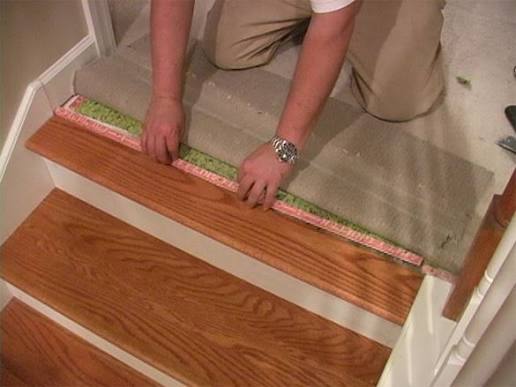
A staircase does not end at the final riser. The point where it meets an upper hallway, balcony, or landing must be finished with a component that provides both visual continuity and a defined edge. Properly selected landing treads help create this transition while coordinating the staircase with the surrounding hardwood floor. For flooring dealers, contractors, stair installers, and designers, this detail deserves attention during the early planning stages.
What Is a Landing Tread?
A landing tread is a stair component installed along the edge of an upper landing, open balcony, or hallway where the finished floor meets the staircase. It typically features a rounded or shaped front edge that resembles the nosing found on a standard stair tread.
Unlike a full stair tread, which covers the horizontal surface of an individual step, a landing tread forms the finished border at the top of the staircase. Depending on the layout, it may also be used around balcony openings or along areas fitted with railing components.
Although it occupies a relatively narrow area, a landing tread remains highly visible. Its dimensions, wood species, grain, finish, and profile can affect how naturally the staircase connects with the upper floor.
Why the Stair-to-Floor Transition Matters
A poorly planned transition can make an otherwise well-built staircase appear incomplete. Noticeable differences in color, profile, or thickness may draw attention to the connection rather than allowing the staircase and flooring to read as one coordinated installation.
The landing tread also establishes the edge of the walking surface. Its position must account for the thickness of the finished flooring, subfloor conditions, adjoining stair parts, and railing layout. These factors are especially important in remodeling projects, where existing framing and floor elevations may differ from the original plans.
For architects and interior designers, the transition contributes to the visual direction of the space. A coordinated landing tread can carry the hardwood appearance from the stairs into an upstairs hall. In open-floor-plan homes, it can also provide a clean border around a stair opening visible from several rooms.
Factors to Consider When Selecting Landing Treads
The correct landing tread should be selected as part of the complete stair and flooring package. Waiting until the installation stage can limit the available choices or create unnecessary adjustments in the field.
Begin by confirming the required width, thickness, length, and nosing profile. These measurements must work with both the stair structure and the finished flooring. Installers should verify site dimensions rather than relying only on architectural drawings, particularly during renovation work.
Wood species is another important consideration. Matching the landing tread to nearby stair treads or hardwood flooring helps maintain a consistent appearance. However, species selection involves more than color. Grain pattern, natural variation, and how the wood accepts stain can all influence the finished result.
Finish and sheen should also be reviewed. A close color match may still look noticeably different when one surface has a matte finish and the other has a higher sheen. Flooring dealers and contractors can help prevent this issue by comparing physical samples whenever possible.
Advantages of Choosing Prefinished Components
Prefinished landing treads can reduce the amount of sanding, staining, and coating required at the jobsite. This is useful for occupied homes, time-sensitive renovations, and projects where limiting dust and finishing odors is a priority.
Factory finishing can also provide more consistent coverage across the component. Contractors know the appearance of the piece before installation, which makes coordination with flooring, stair treads, risers, and mouldings more predictable.
However, prefinished does not mean that field planning can be skipped. Components still need to be stored correctly, protected from damage, measured carefully, and installed according to the project conditions. Any exposed cuts or altered edges may also require suitable treatment.
Common Planning Mistakes to Avoid
One frequent mistake is treating the landing tread as a last-minute accessory. Because it affects finished floor height and the appearance of the stair opening, it should be specified alongside the flooring and main stair parts.
Another mistake is selecting a component based on color alone. Wood grain, finish sheen, profile, and dimensions must also coordinate with the surrounding materials. Viewing samples under the project’s actual lighting can reveal differences that may not be visible in a showroom.
Installers should also check railing and baluster placement before cutting or fastening the landing tread. Confirming these details early helps reduce field modifications and supports a cleaner completed installation.
Finish the Staircase With the Right Detail
Landing treads provide the final connection between a staircase and the floor above. Careful selection helps contractors reduce installation complications, allows designers to maintain material continuity, and gives flooring dealers a more complete stair package to offer their customers. Visit Wood Stair Co to review hardwood stair parts and accessories for upcoming residential, remodeling, and custom-building projects.
