



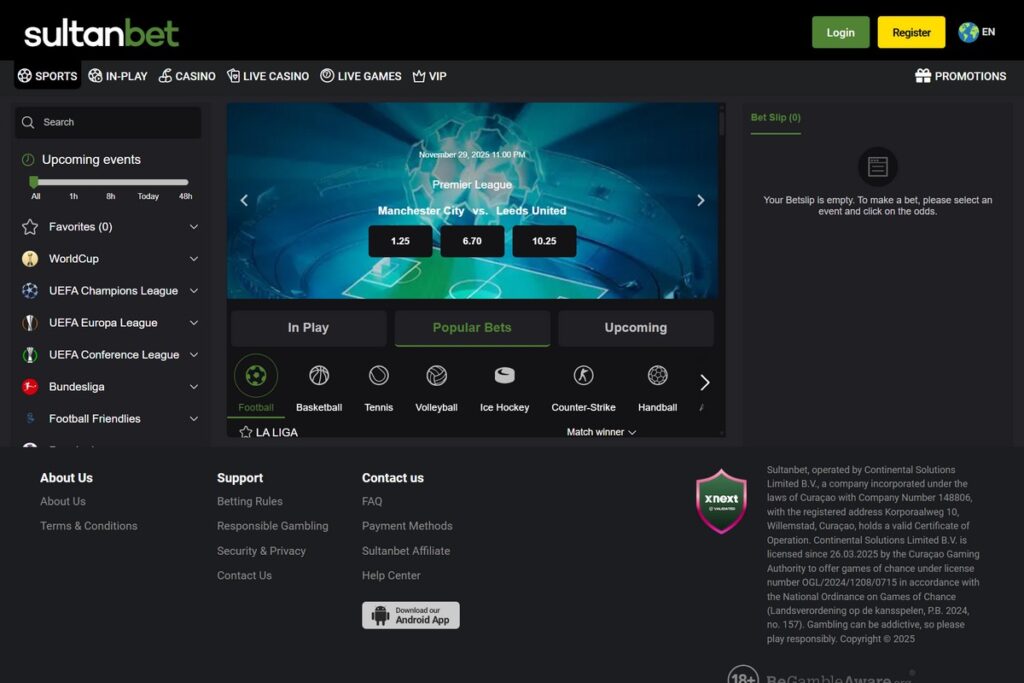
The topic of betting sites in saudi arabia continues to attract attention from people who want to understand the country’s gambling laws, online restrictions, and potential risks. While online betting is available in many parts of the world, Saudi Arabia follows a very different legal and cultural approach. Before exploring any gambling-related service, it is important to understand the local regulations, internet restrictions, and personal safety considerations.
This guide explains the legal status of betting, highlights common online risks, and provides practical safety tips for anyone researching betting sites in saudi arabia.
Understanding the Legal Status of Betting in Saudi Arabia
Saudi Arabia has one of the strictest gambling policies in the world. Gambling activities, including sports betting, casino games, lotteries, and online betting, are prohibited under the country’s legal system, which is based on Islamic (Sharia) law. The government also blocks access to many gambling-related websites and may enforce laws against activities connected to online betting.
Unlike some countries that regulate and license gambling operators, Saudi Arabia does not issue licenses for betting companies. This means there are no locally approved or government-authorized betting sites in saudi arabia.
Why Online Safety Matters
Many websites on the internet claim to offer gambling services to users worldwide. However, when a market is unregulated, users face additional risks beyond the legal concerns.
Some of the most common online safety risks include:
- Fake websites designed to collect financial information.
- Identity theft through fraudulent registration forms.
- Delayed or refused withdrawals.
- Poor customer support.
- Lack of independent dispute resolution.
- Weak data privacy protections.
Because there is no local regulatory framework for gambling in Saudi Arabia, users have limited legal protection if problems occur.
Verify Website Security
Whenever researching online platforms, website security should always come first.
Look for indicators such as:
- HTTPS encryption.
- Secure login systems.
- Transparent privacy policies.
- Clear terms and conditions.
- Responsible handling of personal information.
Even outside gambling, these security practices help reduce the risk of phishing attacks and online fraud.
Be Careful With Personal Information
Many online scams begin by asking users to provide excessive personal details.
Avoid sharing:
- Passport information unnecessarily.
- Banking credentials.
- Credit card images.
- One-time verification codes.
- Passwords used on other accounts.
Protecting personal information is one of the most effective ways to reduce cybersecurity risks.
Watch for Unrealistic Promotions
One of the biggest warning signs of an unreliable website is the promise of guaranteed profits or unrealistic bonuses.
Examples include:
- Guaranteed winnings.
- Risk-free betting.
- Instant wealth claims.
- No conditions attached to bonuses.
- Unlimited cashback offers.
Legitimate online businesses generally explain their promotions clearly and include detailed terms rather than making exaggerated promises.
Understand the Financial Risks
Even in countries where betting is legal, gambling always involves financial uncertainty.
Important financial considerations include:
- There is no guarantee of winning.
- Losses can accumulate quickly.
- Unexpected fees may apply.
- Currency conversion charges may occur.
- Fraudulent platforms may refuse payments altogether.
Responsible financial decision-making is essential whenever researching any online gambling-related service.
Know the Internet Restrictions
Saudi authorities actively monitor and block many gambling-related websites. Some services may become inaccessible without warning, while others may disappear entirely.
Attempting to bypass internet restrictions may also carry legal consequences depending on local laws and regulations. Anyone researching betting sites in saudi arabia should understand these restrictions before accessing gambling-related content.
Cybersecurity Best Practices
Regardless of the type of website you visit, maintaining strong online security is essential.
Recommended practices include:
- Use strong and unique passwords.
- Enable two-factor authentication where available.
- Keep software updated.
- Avoid public Wi-Fi for financial activities.
- Monitor bank statements regularly.
- Ignore suspicious emails and messages requesting sensitive information.
These habits improve online safety across all internet activities.
Understand the Importance of Responsible Gambling
In jurisdictions where gambling is legal, responsible gambling emphasizes setting personal limits, avoiding emotional decision-making, and recognizing the risks of addiction. Although gambling is prohibited in Saudi Arabia, understanding these principles is still valuable for educational purposes.
Responsible behavior includes:
- Never betting money you cannot afford to lose.
- Avoiding gambling as a source of income.
- Taking regular breaks.
- Seeking support if gambling begins affecting daily life.
Common Misconceptions
Several myths continue to circulate regarding betting sites in saudi arabia.
Some common misconceptions include:
“Online betting is legal if the website is based overseas.”
This is incorrect. Foreign location does not automatically make participation legal under Saudi law.
“There are licensed betting companies inside Saudi Arabia.”
Saudi Arabia does not license gambling operators.
“Every betting website is safe.”
Online platforms vary significantly in security and reliability, and fraudulent websites remain a common concern across the internet.
Final Thoughts
Interest in betting sites in saudi arabia continues because people want to understand how online betting relates to the country’s legal framework. However, Saudi Arabia maintains a clear prohibition on gambling activities, including online betting, and there are no locally licensed betting operators. Anyone researching this topic should be aware of the legal restrictions, potential cybersecurity threats, and financial risks associated with unregulated platforms. Staying informed and prioritizing online safety can help individuals make better-informed decisions while respecting applicable local laws.
