



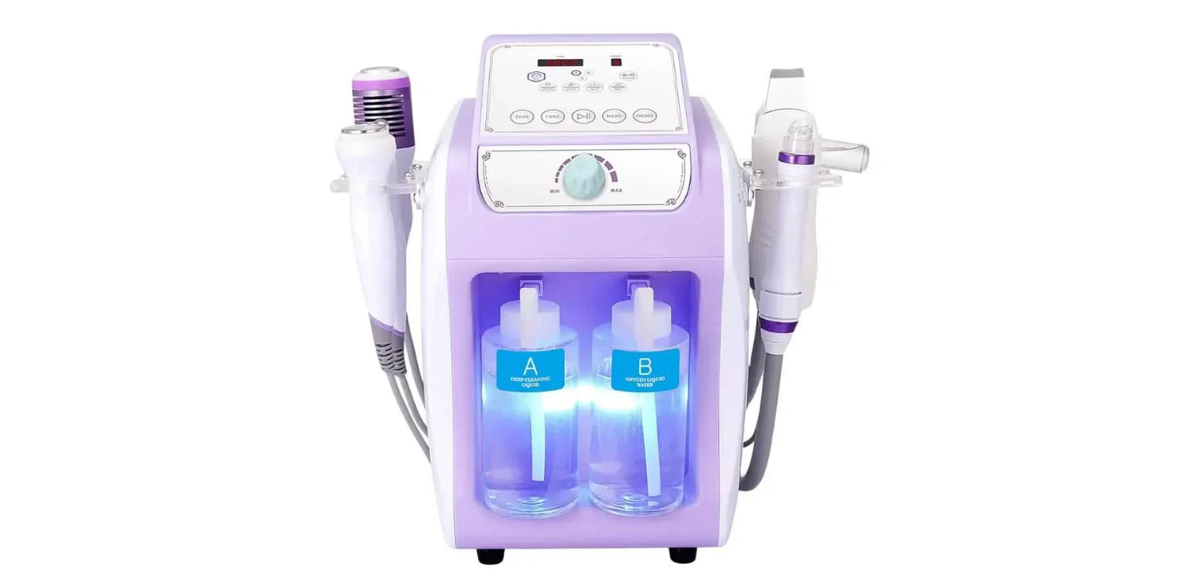
Healthy skin is more than just an aesthetic goal—it reflects proper care, hydration, and protection. With growing awareness about skincare, people are increasingly looking for treatments that provide noticeable results without lengthy recovery periods. Among modern facial therapies, hydrafacial treatments have gained widespread attention for their ability to deeply cleanse, exfoliate, and hydrate the skin in a single session.
Unlike traditional facials that mainly focus on cleansing or massage, hydrafacial treatments combine several skincare steps using specialized technology. This comprehensive approach helps improve skin texture, unclog pores, and restore moisture while remaining suitable for most skin types.
Those interested in learning about the technology behind a hydrafacial machine can better understand how advanced skincare systems perform multiple treatment steps efficiently while supporting healthier-looking skin.
What Is a Hydrafacial?
A hydrafacial is a non-invasive skincare treatment that combines cleansing, exfoliation, extraction, hydration, and antioxidant protection into one procedure. It uses a specialized device that gently removes impurities while delivering nourishing serums directly into the skin.
The treatment is designed to refresh the skin without causing significant irritation or downtime. Many individuals choose hydrafacial treatments because they offer immediate improvements in skin appearance while supporting long-term skin health through regular maintenance.
How Hydrafacial Technology Works
Modern hydrafacial systems rely on a combination of vacuum suction, gentle exfoliation, and targeted serum infusion. Instead of manually extracting impurities, the device uses controlled suction to clean pores comfortably.
The process generally includes several stages:
1. Cleansing
Surface dirt, excess oil, and makeup residue are removed to prepare the skin for treatment.
2. Exfoliation
Dead skin cells are gently loosened and removed, encouraging fresh skin cells to appear on the surface.
3. Extraction
Vacuum technology helps remove blackheads, whiteheads, and trapped debris from pores without aggressive squeezing.
4. Hydration
Hydrating serums containing ingredients such as hyaluronic acid are infused into the skin to restore moisture.
5. Protection
Antioxidants and peptides help protect the skin from environmental stress while promoting a smoother, healthier complexion.
Key Benefits of Hydrafacial Treatments
Hydrafacial treatments offer multiple skincare benefits in a single session.
Deep Cleansing
The treatment removes impurities that ordinary cleansing routines may leave behind, helping the skin feel fresher and cleaner.
Improved Hydration
Proper hydration supports skin elasticity and contributes to a healthy glow. Hydrafacial treatments replenish moisture levels efficiently.
Reduced Appearance of Fine Lines
Well-hydrated skin often appears smoother, making fine lines less noticeable after treatment.
Brighter Skin Tone
Removing dead skin cells allows newer skin to reflect light more evenly, resulting in a brighter complexion.
Better Pore Appearance
Cleaning clogged pores can reduce their visible size and improve overall skin texture.
Suitable for Sensitive Skin
Since the treatment is gentle, many people with sensitive skin tolerate it better than more aggressive exfoliation procedures.
Who Can Benefit from Hydrafacial Treatments?
Hydrafacial treatments are appropriate for a wide variety of individuals because they can often be customized according to skin concerns.
Common skin concerns include:
- Oily skin
- Dry skin
- Combination skin
- Congested pores
- Uneven skin tone
- Mild acne
- Fine lines
- Rough texture
- Dull complexion
- Mild pigmentation
Although suitable for many people, those with active skin infections or certain medical conditions should consult a qualified skincare professional before treatment.
Hydrafacial vs Traditional Facials
While both treatments aim to improve skin health, their methods differ considerably.
| Feature | Hydrafacial | Traditional Facial |
| Cleansing | Device-assisted | Manual |
| Exfoliation | Controlled and consistent | Scrubs or manual exfoliation |
| Extraction | Vacuum-assisted | Manual extraction |
| Hydration | Serum infusion | Creams or masks |
| Downtime | Minimal | Usually minimal |
| Customization | High | Moderate |
Hydrafacial treatments often deliver more consistent results because the technology standardizes each step.
Common Ingredients Used During Treatment
Different serums may be selected depending on individual skin needs.
Popular ingredients include:
Hyaluronic Acid
Helps retain moisture and improves skin hydration.
Salicylic Acid
Supports clearer pores by dissolving excess oil and impurities.
Glycolic Acid
Provides gentle exfoliation and encourages skin renewal.
Peptides
Assist in maintaining skin firmness and supporting collagen production.
Antioxidants
Help protect skin from environmental damage caused by pollution and free radicals.
What to Expect During a Session
A typical hydrafacial session usually lasts between 30 and 60 minutes.
The experience is generally comfortable, with many people describing the sensation as similar to a cool facial massage.
The treatment usually follows these steps:
- Skin assessment
- Cleansing
- Exfoliation
- Gentle extraction
- Serum infusion
- Moisturizing
- Sunscreen application
Because there is little to no downtime, many individuals return to normal daily activities immediately after treatment.
Aftercare Tips for Better Results
Proper aftercare helps maximize the benefits of any facial treatment.
Recommended practices include:
- Drink plenty of water.
- Apply sunscreen daily.
- Avoid excessive sun exposure.
- Use gentle skincare products.
- Skip harsh exfoliants for a few days.
- Avoid touching the face unnecessarily.
- Follow a consistent skincare routine.
These habits help maintain hydration and support healthier skin between treatments.
How Often Should You Get a Hydrafacial?
Treatment frequency depends on individual skin goals.
Many skincare professionals recommend:
- Every four to six weeks for routine maintenance.
- More frequent sessions for specific concerns under professional guidance.
- Seasonal treatments for people primarily seeking skin refreshment.
Consistency generally provides better long-term improvements than occasional treatments.
Myths About Hydrafacial Treatments
Several misconceptions surround hydrafacial procedures.
Myth 1: It Is Painful
Most people find the treatment comfortable and relaxing.
Myth 2: Only Women Can Benefit
Healthy skin is important for everyone, and people of all genders choose hydrafacial treatments.
Myth 3: Results Last Forever
While improvements can be noticeable, maintaining healthy skin requires regular skincare and ongoing treatments.
Myth 4: It Causes Skin Peeling
Unlike stronger chemical procedures, hydrafacial treatments usually involve minimal peeling or irritation.
Myth 5: It Is Only for Aging Skin
People of various ages seek hydrafacial treatments for acne, hydration, pore care, and overall skin maintenance.
Supporting Healthy Skin Beyond Professional Treatments
Professional treatments work best when combined with healthy daily habits.
Good skincare practices include:
- Washing the face twice daily.
- Using moisturizer suited to your skin type.
- Wearing sunscreen every day.
- Eating a balanced diet rich in fruits and vegetables.
- Getting enough sleep.
- Managing stress effectively.
- Staying hydrated.
Together, these habits contribute to healthier skin throughout the year.
Conclusion
Hydrafacial treatments have become a popular skincare option because they combine cleansing, exfoliation, extraction, hydration, and skin protection into one efficient procedure. Their gentle approach makes them suitable for many skin types while delivering noticeable improvements in texture, brightness, and overall appearance.
Understanding how a hydrafacial machine performs these multiple treatment steps helps explain why this technology continues to play an important role in modern skincare routines focused on healthy, refreshed skin.
Frequently Asked Questions
1. Is a hydrafacial suitable for sensitive skin?
Yes. Hydrafacial treatments are generally gentle and can often be customized according to individual skin sensitivity. The procedure avoids aggressive manual extraction and typically causes little irritation, making it appropriate for many people with sensitive skin. A professional consultation is still recommended before beginning treatment.
2. How long do hydrafacial results usually last?
Many individuals notice smoother and more hydrated skin immediately after treatment. Results commonly remain visible for several weeks, depending on skincare habits, lifestyle, sun exposure, and skin type. Regular maintenance sessions combined with a good skincare routine can help prolong the benefits.
3. Can hydrafacial treatments help with acne?
Hydrafacial treatments may help improve mild acne by cleansing pores, removing excess oil, and reducing congestion. They can also support healthier skin through hydration and gentle exfoliation. However, severe acne may require additional medical evaluation and personalized treatment from a qualified dermatologist.
4. Is there any downtime after a hydrafacial?
One of the major advantages of hydrafacial treatments is the minimal downtime. Most people can return to normal daily activities immediately after the session. Mild redness may occur temporarily in some cases but usually fades quickly within a few hours.
5. How should I prepare before my hydrafacial appointment?
Preparation is simple. Avoid harsh exfoliants, strong retinoids, or chemical peels for several days before treatment. Arrive with clean skin whenever possible, stay well hydrated, and inform your skincare professional about any allergies, medications, or recent skin treatments to ensure the safest experience.
