



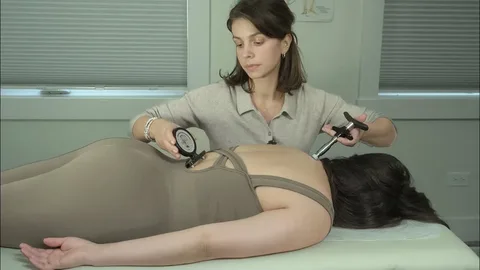
Women’s health is deeply connected to the structure and function of the spine. The spine is not only the central support system of the body but also a protective pathway for the nervous system, which controls nearly every physiological process. From posture and mobility to hormonal balance and energy levels, spinal alignment plays a more significant role in women’s health than many people realize. A chiropractic perspective emphasizes the relationship between spinal health, nervous system efficiency, and the body’s natural ability to maintain balance and wellness.
This article explores how spinal alignment affects women’s health across different life stages, why misalignment develops, and how chiropractic principles focus on restoring balance for improved overall well-being.
The Spine as the Core of Body Function
The human spine is made up of 24 movable vertebrae, along with the sacrum and coccyx. It is designed to provide stability, flexibility, and protection. Inside the spinal column runs the spinal cord, a critical extension of the brain that transmits signals between the brain and the rest of the body.
When the spine is properly aligned, nerve signals flow freely, allowing organs, muscles, and tissues to function optimally. However, when misalignments occur—often called subluxations in chiropractic terminology—communication within the nervous system can become disrupted. This disruption may not always cause immediate pain but can gradually influence physical, emotional, and physiological health.
For women, whose bodies undergo continuous hormonal and structural changes throughout life, maintaining spinal alignment is especially important.
Why Women Are More Susceptible to Spinal Imbalances
Women experience unique biological and lifestyle factors that can place additional stress on the spine:
1. Hormonal Fluctuations
Hormonal changes during menstruation, pregnancy, postpartum recovery, and menopause can affect ligaments and joint stability. For example, increased relaxin levels during pregnancy loosen ligaments, which may lead to spinal instability and misalignment.
2. Pregnancy and Postural Shifts
As pregnancy progresses, the center of gravity shifts forward, increasing lumbar curvature and placing stress on the lower back and pelvis. This often leads to discomfort, pelvic imbalance, and spinal strain.
3. Childcare and Repetitive Strain
Carrying children, bending frequently, and poor lifting habits contribute to long-term postural stress. These repetitive movements can create muscle imbalance and spinal tension.
4. Sedentary Lifestyle and Technology Use
Modern women often spend long hours sitting at desks or using mobile devices. Forward head posture, rounded shoulders, and lower back compression are common results of prolonged sitting and screen use.
5. Footwear Choices
High heels, though often worn for fashion, can alter pelvic alignment and shift weight distribution, leading to spinal stress over time.
These factors collectively make spinal care a crucial component of women’s preventive health strategy.
The Chiropractic Perspective on Spinal Alignment
Chiropractic care is based on the principle that the body has an inherent ability to heal and regulate itself when the nervous system is functioning without interference. The spine plays a central role in this process.
From a chiropractic standpoint, spinal misalignments can interfere with nerve communication, potentially affecting:
- Muscular balance
- Joint mobility
- Organ function
- Energy levels
- Stress response
- Sleep quality
The goal of chiropractic care is to restore proper alignment through manual adjustments, allowing the body to function more efficiently.
How Spinal Misalignment Affects Women’s Health
Spinal alignment influences more than just back pain. Its effects can be wide-ranging and systemic.
1. Musculoskeletal Pain and Posture Issues
Poor alignment can lead to chronic pain in the neck, shoulders, and lower back. Over time, this can contribute to conditions such as scoliosis progression, sciatica, and joint degeneration.
2. Headaches and Migraines
Misalignment in the cervical spine may contribute to tension headaches or migraines due to nerve irritation and muscle tightness.
3. Digestive and Organ Function
The nervous system controls digestive processes. When spinal alignment is compromised, it may influence gut motility, leading to issues like bloating or irregular digestion.
4. Energy and Fatigue
When the body compensates for misalignment, it uses more energy to maintain balance, which may result in chronic fatigue or decreased vitality.
5. Stress and Emotional Well-being
The spine and nervous system are closely connected to the body’s stress response. Misalignment may increase tension in the autonomic nervous system, making it harder to manage stress effectively.
Trusted family chiropractic care focuses on providing safe, gentle, and personalized spinal health support for people of all ages, from children to seniors. It emphasizes long-term wellness rather than just temporary pain relief, helping families maintain better posture, mobility, and overall nervous system function. A trusted approach means care is consistent, patient-centered, and tailored to each individual’s needs, whether addressing everyday discomfort, sports strain, pregnancy-related changes, or age-related stiffness. By supporting spinal alignment and encouraging healthy lifestyle habits, family chiropractic care aims to improve quality of life and help each member of the household move, feel, and function at their best.
Spinal Health Across Different Stages of a Woman’s Life
Adolescence
During adolescence, rapid growth can lead to postural imbalances. Poor school seating habits and heavy backpacks may further strain the spine. Early awareness of posture can help prevent long-term issues.
Reproductive Years
This stage often includes pregnancy and childbirth. The spine undergoes significant changes due to weight gain, hormonal shifts, and pelvic expansion. Chiropractic care during this phase often focuses on maintaining pelvic alignment and reducing discomfort.
Postpartum Period
After childbirth, the body begins to recover from structural and hormonal changes. Caring for a newborn also places physical demands on the spine, making recovery and alignment support important.
Perimenopause and Menopause
As estrogen levels decline, bone density may decrease, increasing the risk of osteoporosis. Spinal alignment becomes critical for maintaining posture, balance, and reducing the risk of injury.
Older Age
In later years, spinal degeneration and reduced flexibility can affect mobility and independence. Maintaining alignment helps support stability and quality of life.
The Role of Posture in Spinal Health
Posture is a visible indicator of spinal alignment. Good posture ensures that the head, shoulders, spine, and hips are in proper balance.
Common posture issues include:
- Forward head posture from smartphone use
- Rounded shoulders from desk work
- Anterior pelvic tilt from prolonged sitting
- Uneven hips from weight shifting habits
Correcting posture can reduce strain on the spine and improve overall body mechanics. Small daily changes—such as ergonomic seating, mindful standing, and stretching—can make a significant difference.
Chiropractic Care and Women’s Wellness Goals
Chiropractic care focuses on restoring spinal alignment through precise manual adjustments. These adjustments aim to improve joint mobility, reduce nerve interference, and support the body’s natural healing capacity.
For women, chiropractic care is often used to support:
- Pregnancy comfort and pelvic balance
- Postpartum recovery
- Menstrual cycle-related discomfort
- Stress management
- Postural correction
- Athletic performance and flexibility
In addition to adjustments, chiropractors may recommend lifestyle guidance such as exercise, stretching, ergonomic improvements, and nutrition to support spinal health.
Preventive Care and Daily Spinal Support
Maintaining spinal alignment is not only about treatment—it is also about prevention. Daily habits play a major role in spinal health.
Helpful practices include:
- Regular stretching to maintain flexibility
- Strengthening core muscles for spinal support
- Avoiding prolonged sitting without breaks
- Using proper lifting techniques
- Maintaining a healthy body weight
- Practicing mindfulness of posture throughout the day
These habits help reduce strain on the spine and support long-term wellness.
The Mind-Body Connection
The spine is closely linked to the nervous system, which also regulates emotional and mental states. When the body is in alignment, many individuals report improved mood, better sleep, and reduced stress levels.
This mind-body connection highlights how physical health and emotional well-being are deeply interconnected. Supporting spinal health can therefore contribute not only to physical comfort but also to mental clarity and emotional balance.
Conclusion
Women’s health is a complex and dynamic interplay of biological, structural, and lifestyle factors. The spine serves as a central pillar in this system, influencing everything from posture and mobility to nervous system function and overall vitality.
From a chiropractic perspective, maintaining spinal alignment is essential for supporting the body’s natural ability to function and adapt through all stages of life. Whether addressing the changes of pregnancy, managing the demands of daily life, or promoting healthy aging, spinal care offers a foundational approach to women’s wellness.
By prioritizing posture, movement, and spinal alignment, women can take proactive steps toward better health, improved comfort, and long-term well-being.
