



Introduction
Os trigonum syndrome is a condition that affects the back of the ankle, often causing pain and limiting mobility. It is commonly seen in athletes, dancers, and individuals who frequently point their toes downward. Understanding the available os trigonum syndrome treatment options is essential for managing symptoms effectively and preventing long-term complications.
What Is Os Trigonum Syndrome?
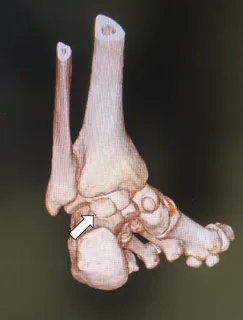
The os trigonum is a small extra bone located at the back of the ankle. Not everyone has this bone, but for those who do, it can sometimes become irritated or compressed between the ankle bones, especially during repetitive movements like pointing the toes. This irritation leads to inflammation, pain, and stiffness—hallmarks of os trigonum syndrome.
Symptoms to Watch For
People with this condition often experience:
- Pain at the back of the ankle, especially when pointing the toes
- Swelling and tenderness
- Reduced range of motion
- Difficulty walking, running, or dancing
Recognizing these symptoms early can help guide timely os trigonum syndrome treatment and improve recovery outcomes.
Non-Surgical Treatment Options
Rest and Activity Modification
The first step in managing the condition is reducing activities that trigger pain. Avoiding repetitive ankle movements allows inflammation to subside naturally.
Ice and Anti-Inflammatory Medication
Applying ice packs and using over-the-counter anti-inflammatory medications can help reduce swelling and discomfort.
Physical Therapy
Physical therapy plays a key role in recovery. Exercises focus on strengthening the ankle, improving flexibility, and restoring range of motion.
Immobilization
In more severe cases, a walking boot or brace may be recommended to limit ankle movement and promote healing.
These conservative approaches are often effective and form the foundation of os trigonum syndrome treatment for most patients.
Advanced and Surgical Treatments
Corticosteroid Injections
If pain persists despite initial treatments, corticosteroid injections may be used to reduce inflammation and provide temporary relief.
Surgical Removal
When non-surgical methods fail, surgery may be considered. The procedure involves removing the os trigonum bone to eliminate the source of irritation. Recovery typically includes rehabilitation to regain strength and mobility.
Surgical intervention is usually a last resort but can be highly effective when other forms of os trigonum syndrome treatment do not provide relief.
Recovery and Prevention
Recovery time varies depending on the severity of the condition and the treatment approach. To prevent recurrence:
- Warm up properly before physical activity
- Avoid overuse of the ankle
- Wear supportive footwear
- Follow a consistent stretching routine
Conclusion
Os trigonum syndrome can be painful and disruptive, but with the right approach, it is highly manageable. From rest and physical therapy to surgical options, there are multiple paths to recovery. Early diagnosis and appropriate os trigonum syndrome treatment can help individuals return to their normal activities with minimal discomfort and improved ankle function.
