



Introduction
Nature’s quiet magic often goes unnoticed, yet one of its most breathtaking transformations happens right before our eyes. Blooming Beauty: How Buds Transform Into Stunning Flowers is not just a poetic phrase—it captures a remarkable biological journey filled with precision, timing, and resilience. From tiny buds to vibrant blossoms, this process is both delicate and powerful, revealing the hidden artistry of plant life.
The Beginning: Formation of Buds
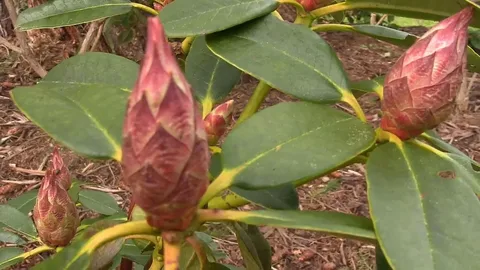
Every flower starts as a bud—a small, tightly wrapped structure that holds immense potential. Buds form when plants shift from vegetative growth to reproductive development. This change is influenced by environmental factors such as light, temperature, and seasonal cycles.
Inside each bud are undeveloped floral parts, including petals, stamens, and pistils. Though hidden, these components are already genetically programmed to grow into a specific shape, color, and fragrance. At this early stage, the plant is preparing for its ultimate goal: reproduction.
The Growth Phase: Preparing to Bloom
As conditions become favorable, the bud begins to grow. Cells inside the bud divide and expand rapidly, fueled by nutrients and water absorbed from the soil. This stage is crucial, as even slight environmental stress can affect the final bloom.
Sunlight plays a major role by enabling photosynthesis, which provides the energy needed for development. Hormones within the plant also regulate the timing of blooming, ensuring that flowers open when pollinators are most active.
This phase highlights the essence of Blooming Beauty: How Buds Transform Into Stunning Flowers, where unseen internal changes set the stage for a spectacular reveal.
The Moment of Bloom
The transition from bud to flower is often sudden and dramatic. Petals unfurl, colors intensify, and fragrances emerge. This moment, known as anthesis, is when the flower becomes fully functional and ready for pollination.
Each species has its own blooming pattern—some flowers open in the morning, while others bloom at night. This timing increases the chances of attracting specific pollinators such as bees, butterflies, or moths.
The bloom is not just visually appealing; it serves a vital ecological purpose. Bright colors and scents act as signals, guiding pollinators to nectar and pollen, which helps plants reproduce.
Factors Influencing Flower Transformation
Several factors affect how successfully a bud becomes a flower:
- Light exposure: Determines energy production and blooming cycles
- Temperature: Influences growth speed and timing
- Water availability: Essential for cell expansion and nutrient transport
- Soil nutrients: Provide the building blocks for development
When these elements are balanced, the transformation is smooth and vibrant. If disrupted, flowers may bloom poorly or not at all.
The Deeper Meaning Behind the Bloom
Beyond biology, the journey of a flower symbolizes growth, patience, and transformation. The phrase Blooming Beauty: How Buds Transform Into Stunning Flowers reflects not only a natural process but also a metaphor for personal development.
Just as buds require the right conditions to flourish, growth in life often depends on timing, care, and persistence. The gradual unfolding into something beautiful reminds us that change, though sometimes slow, can lead to extraordinary results.
Conclusion
The transformation from bud to flower is one of nature’s most elegant processes. It combines science, timing, and environmental harmony to produce something both functional and breathtaking. Blooming Beauty: How Buds Transform Into Stunning Flowers captures this journey perfectly—reminding us that even the smallest beginnings can lead to magnificent outcomes.
