



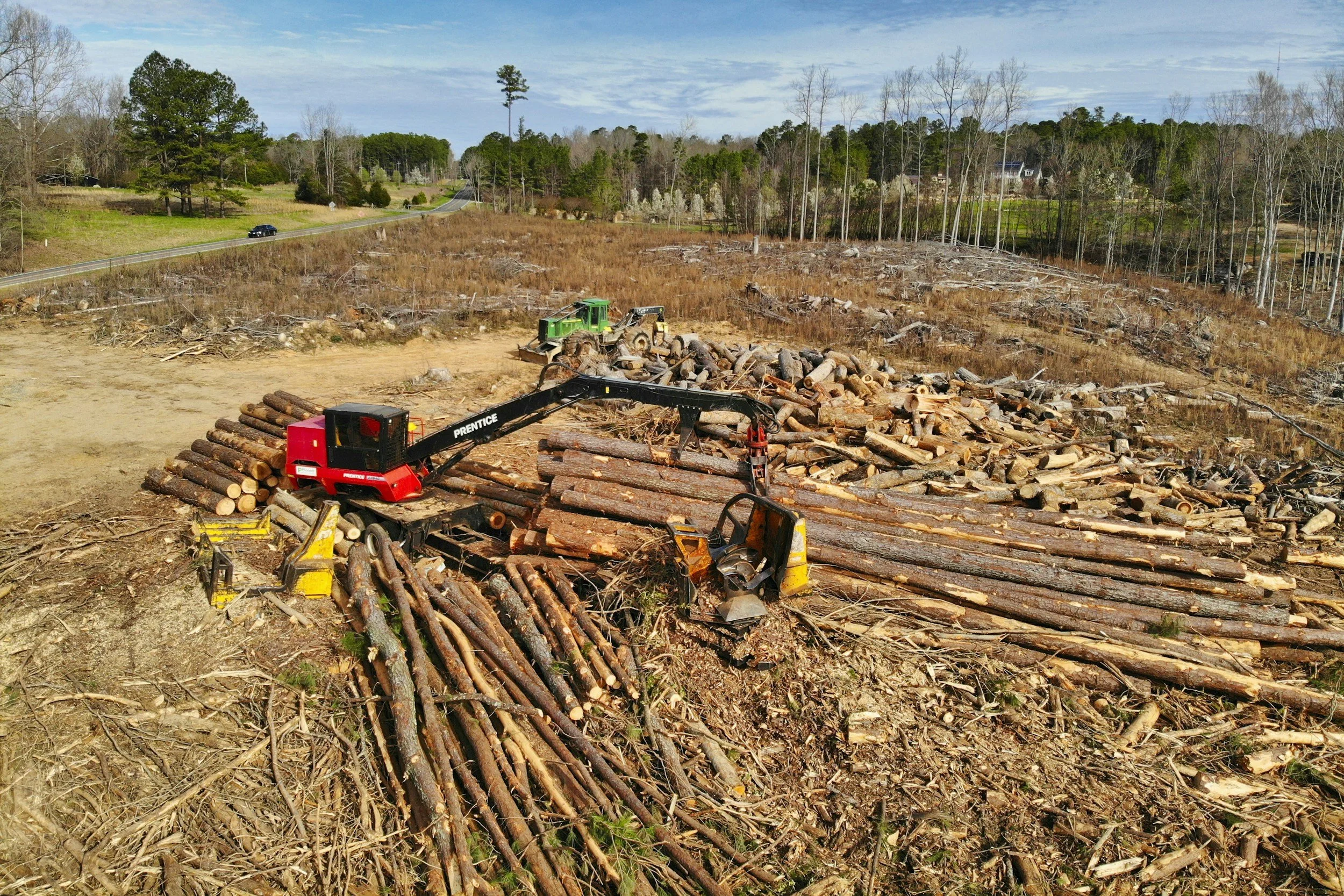
When it comes to preparing a property for construction, farming, or landscaping projects, land clearing Virginia services play a pivotal role. The process involves removing trees, brush, stumps, and other obstacles to make the land suitable for its intended use. Whether you are a homeowner, developer, or farmer, understanding the ins and outs of land clearing ensures the best results while minimizing environmental impact.
Understanding Land Clearing
Land clearing is more than simply cutting down trees or mowing grass. It is a strategic approach to reshape a piece of land safely and efficiently. In Virginia, this process can involve various techniques, such as mechanical removal with heavy equipment, controlled burning, or manual labor for delicate areas. Proper planning is essential to avoid soil erosion, protect wildlife habitats, and comply with state regulations.
Common Techniques Used in Virginia
-
Mechanical Clearing: This method uses bulldozers, skid steers, and excavators to remove trees, shrubs, and debris quickly. It is ideal for large tracts of land and areas that require grading for construction.
-
Selective Clearing: Often used for residential or environmentally sensitive properties, selective clearing focuses on removing specific trees and plants while preserving valuable vegetation.
-
Brush and Stump Removal: Heavy-duty mulchers and stump grinders are commonly used in Virginia to prepare the soil for planting or construction. This ensures that the land is safe and usable immediately after clearing.
-
Controlled Burning: While less common, controlled burning may be employed under strict permits to clear brush and promote soil fertility.
Benefits of Professional Land Clearing
Hiring experienced land clearing Virginia contractors offers several advantages:
-
Safety: Removing large trees and brush can be dangerous. Professionals are trained to handle equipment and hazardous situations safely.
-
Efficiency: Experts complete projects faster, reducing delays in construction or agricultural planning.
-
Environmental Consideration: Experienced contractors follow local regulations, protecting wetlands, wildlife, and valuable tree species.
-
Cost Savings: Although it may seem cheaper to clear land yourself, professional services prevent costly mistakes and equipment damage.
Applications of Land Clearing in Virginia
Land clearing serves multiple purposes in Virginia’s diverse landscape:
-
Residential Development: Preparing lots for homes, driveways, or gardens.
-
Agriculture: Transforming forested or overgrown land into farmland or pastures.
-
Commercial Projects: Clearing areas for warehouses, retail centers, or roads.
-
Fire Prevention: Reducing brush and overgrowth in wildfire-prone areas.
Environmental and Legal Considerations
In Virginia, land clearing is subject to environmental regulations, especially near waterways and wetlands. Contractors must adhere to guidelines to prevent soil erosion, sediment runoff, and destruction of protected habitats. Homeowners and developers should always check local permits before starting any land clearing project.
Choosing the Right Land Clearing Service
When selecting a land clearing Virginia provider, consider:
-
Experience and reputation in local projects.
-
Equipment and technology for safe, efficient clearing.
-
Compliance with state and county environmental regulations.
-
Transparent pricing and detailed project plans.
Conclusion
Whether you are preparing land for a new home, a farm, or a commercial development, professional land clearing Virginia services are essential for a safe, efficient, and environmentally responsible project. By understanding the techniques, benefits, and legal requirements, property owners can transform their land into a functional and beautiful space that meets their goals.
