



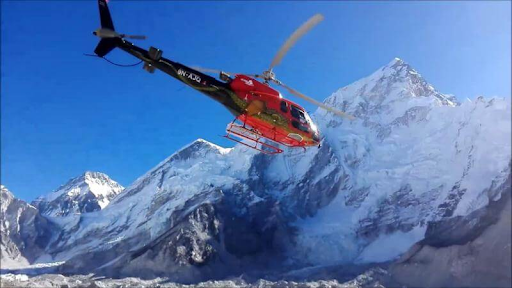
The Himalayas have long captivated adventurers, mountaineers, and travelers seeking to witness the world’s highest peaks. Among the countless ways to experience this majestic mountain range, the Everest Base Camp Helicopter Tour stands out as an extraordinary option that combines breathtaking scenery, cultural immersion, and unparalleled convenience. This remarkable journey offers a unique perspective on Mount Everest and the surrounding landscape, making it accessible to those who may not have the time or physical capability for traditional trekking routes.
A Journey Above the Clouds
An Everest Base Camp Helicopter Tour transforms what would typically be a grueling two-week trek into an unforgettable few hours of aerial exploration. Departing from Kathmandu, the helicopter ascends over terraced farmlands, lush valleys, and traditional Sherpa villages before entering the heart of the Khumbu region. As the aircraft gains altitude, passengers witness a dramatic transformation in the landscape, from subtropical vegetation to snow-covered peaks piercing through the clouds.
The flight path typically includes several highlights that showcase the diversity and magnificence of the Everest region. Passengers soar past ancient monasteries perched on hillsides, observe the intricate network of mountain trails below, and gain a bird’s-eye view of the Dudh Kosi River winding through deep gorges. The changing topography tells a story of geological wonder, with each turn revealing new perspectives on one of Earth’s most dramatic landscapes.
The Centerpiece: Kala Patthar Landing
Most Everest Base Camp Helicopter Tours include a landing at Kala Patthar, a renowned viewpoint situated at approximately 5,550 meters above sea level. This strategic stop provides passengers with an opportunity to step out onto the high-altitude terrain and experience the Himalayas on foot, albeit briefly. The panoramic views from this vantage point are simply staggering, offering unobstructed sights of Mount Everest, Nuptse, Changtse, and numerous other towering peaks.
The landing allows for approximately 10 to 15 minutes on the ground, giving visitors time to absorb the magnitude of their surroundings, capture photographs, and experience the thin mountain air firsthand. Standing at this elevation, surrounded by some of the planet’s highest summits, creates a profound sense of awe that few other experiences can match. The silence of the high Himalayas, broken only by the wind sweeping across the snowfields, adds to the almost spiritual quality of the moment.
Cultural Encounters Along the Way
Beyond the natural splendor, the Everest Base Camp Helicopter Tour offers glimpses into the rich cultural heritage of the Sherpa people. Many tours include a stop in Lukla or another Sherpa settlement, where passengers can visit local tea houses, interact with residents, and learn about the traditions that have sustained communities in these remote mountains for generations. The Buddhist culture is evident everywhere, from colorful prayer flags fluttering in the breeze to intricately decorated monasteries that serve as spiritual centers for the region.
These cultural touchpoints add depth to the journey, transforming it from a simple sightseeing excursion into a more meaningful engagement with Himalayan life. Understanding the resilience, hospitality, and spiritual practices of the Sherpa people enriches the overall experience and provides context for the human dimension of this legendary landscape.
Advantages Over Traditional Trekking
While traditional trekking to Everest Base Camp offers its own rewards, the helicopter tour presents several compelling advantages for certain travelers. Time efficiency stands as the most obvious benefit. What would normally require two weeks of trekking can be accomplished in three to five hours, making it ideal for travelers with limited vacation time or those combining the experience with other activities in Nepal.
The physical demands are dramatically reduced as well. Trekking to base camp requires good fitness levels, acclimatization periods, and the ability to walk for hours each day at high altitude. The helicopter tour eliminates these barriers, making the Everest region accessible to elderly travelers, those with physical limitations, or anyone who prefers not to undertake strenuous hiking. Families with young children or older adults can share the experience together without concerns about physical capability.
Weather dependency affects both trekking and helicopter tours, but the concentrated timeframe of a helicopter journey means passengers can often wait for optimal conditions or reschedule more easily than those committed to multi-day treks. Additionally, the aerial perspective reveals patterns, scales, and landscapes that are simply invisible from ground level, offering a complementary experience to traditional trekking.
Planning Your Helicopter Adventure
Booking an Everest Base Camp Helicopter Tour requires some advance planning, particularly during peak seasons in spring and autumn when weather conditions are most favorable. Tours typically operate early in the morning when visibility is clearest and winds are calmest. The weight restrictions inherent to high-altitude helicopter operations mean that groups are usually limited to four or five passengers, creating an intimate experience.
Costs vary depending on whether you book a private charter or join a shared flight, with private options offering more flexibility in timing and itinerary. Most reputable operators provide experienced pilots familiar with the challenging mountain terrain and changing weather patterns. Safety standards should be a primary consideration when selecting a tour operator, as high-altitude helicopter flights demand expertise and well-maintained equipment.
Passengers should prepare for temperature variations, as ground-level warmth in Kathmandu contrasts sharply with freezing conditions at high altitude. Layered clothing, sunglasses, sunscreen, and cameras with charged batteries are essential. Those concerned about altitude sickness should consult healthcare providers beforehand, though the limited time spent at extreme elevation minimizes risks compared to multi-day trekking.
Conclusion
The Everest Base Camp Helicopter Tour represents a remarkable fusion of accessibility and adventure, bringing the world’s most iconic mountain landscape within reach of a broader audience. It offers a unique solution for those who dream of experiencing Mount Everest and the Himalayas but face constraints of time, physical fitness, or preference for alternative exploration methods. The journey provides not merely a scenic flight but a comprehensive experience encompassing natural grandeur, cultural insight, and personal achievement.
Whether chosen as an alternative to trekking, a supplement to a longer Nepal itinerary, or a once-in-a-lifetime splurge, this helicopter adventure delivers memories that endure long after the rotors stop spinning. Standing at Kala Patthar with the summit of Everest looming before you, or gliding past ancient glaciers and Sherpa villages from above, creates perspective on both the planet’s geological majesty and humanity’s enduring relationship with these towering peaks. For those seeking an extraordinary Himalayan experience without the weeks of preparation and physical exertion, the Everest Base Camp Helicopter Tour offers an unparalleled window into one of Earth’s most magnificent regions.
